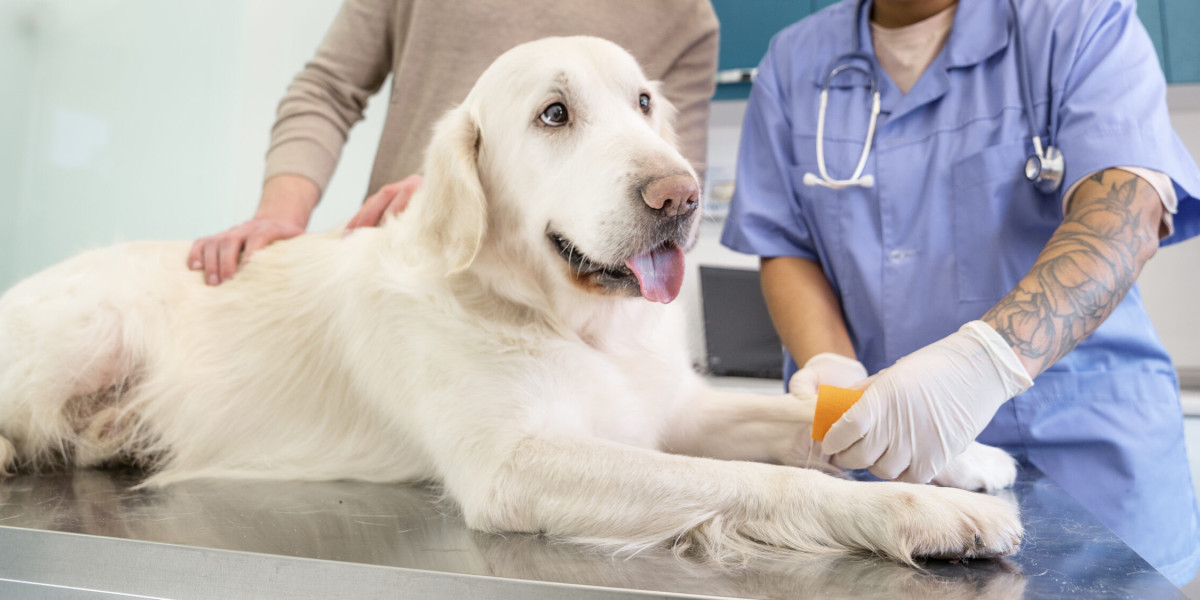

Dogs are naturally curious and active animals, which means cuts, scrapes, and wounds are an unavoidable part of their lives. Whether your dog brushed against a sharp fence, got into a scuffle with another animal, or simply scratched too aggressively at an irritated spot, knowing how to properly respond to a dog skin injury is an important skill for every pet owner. Acting quickly and correctly in those first moments after an injury can make a significant difference in how well and how quickly the wound heals. This blog walks you through the steps for cleaning and caring for a skin wound at home, explains which antiseptic for dogs is appropriate to use, and helps you recognize when a wound requires professional veterinary attention rather than home treatment alone.
Understanding Different Types of Dog Skin Injuries
Before you can properly care for a wound, it helps to understand what type of injury you are dealing with. Dog skin injuries vary widely in their severity and the level of care they require.
Superficial cuts and scrapes are the most common type of injury. These affect only the top layer of skin and typically produce minimal bleeding. They are usually safe to clean and monitor at home as long as they remain small and show no signs of infection.
Puncture wounds are caused by sharp objects like thorns, nails, or animal bites. These are more serious than they appear because the entry point may be small while the damage beneath the skin is deeper. Puncture wounds have a higher risk of trapping bacteria inside and developing into an abscess, so they almost always warrant a veterinary evaluation.
Lacerations are longer cuts with more jagged edges. Depending on their depth and location, they may require sutures to close properly. Deep lacerations can involve tissue, muscle, or blood vessels beneath the skin and should be treated by a veterinarian.
Hot spots are areas of moist, inflamed skin that develop when a dog repeatedly licks, bites, or scratches a particular area. These are not wounds in the traditional sense but they can progress quickly and become infected if not addressed promptly. Our blog on how to treat and prevent skin conditions in pets provides helpful information about managing skin conditions including hot spots.
Infected wounds are injuries that have been contaminated by bacteria and are showing signs of infection such as swelling, redness, warmth, discharge, or odor. A wound at any stage of healing can become infected, which is why monitoring is just as important as initial treatment.
Staying Calm and Assessing the Injury
The first step when you notice your dog has been injured is to remain calm. Dogs pick up on their owners' emotional states, and if you react with panic, your dog may become more anxious and difficult to handle. Speak to your dog in a quiet and reassuring voice and try to keep them as still as possible while you assess the wound.
Even the most gentle dog may bite or snap when they are in pain. Before you begin examining or cleaning the injury, consider placing a muzzle on your dog if one is available and if you are confident doing so safely. This is one of the most practical dog safety tips for handling an injured pet and protects both you and your dog during the examination.
Gently examine the wound in good light. Look at the size and depth of the injury, check for any foreign objects embedded in the skin such as glass, gravel, or thorns, and assess how much bleeding is occurring. This initial assessment will guide how you proceed.
What You Need in a Basic First Aid Kit
Being prepared is one of the most useful dog safety tips any pet owner can follow. Having a basic pet first aid kit at home means you are not searching for supplies while your dog is injured and distressed.
A well stocked kit for managing a dog skin injury should include the following:
Sterile gauze pads and rolls for covering and protecting wounds after cleaning.
Saline solution or clean water for flushing wounds and removing debris.
An appropriate antiseptic for dogs such as diluted chlorhexidine or diluted povidone iodine. These are safe for use on dogs when used at the correct concentration and are effective at reducing bacterial contamination.
Blunt tipped scissors for carefully trimming hair around a wound if needed.
Medical tape or self adhesive bandage wrap for securing gauze dressings.
Disposable gloves to protect both you and your dog from cross contamination.
An e-collar or cone to prevent your dog from licking or chewing the wound during healing.
A muzzle for safe handling of a dog in pain.
It is worth reviewing your kit regularly to replace any expired or used items so that everything is available when you need it.
Step by Step Guide to Cleaning a Dog Skin Injury
Once you have assessed the wound and gathered your supplies, you can begin the cleaning process. Proper wound care in those first hours significantly reduces the risk of infection and sets the stage for healthy healing.
Control Any Bleeding
If the wound is actively bleeding, apply gentle pressure using a clean gauze pad or cloth. Hold firm pressure for three to five minutes without lifting the gauze to check the wound repeatedly, as this can disrupt clot formation. Most minor surface wounds will stop bleeding with this method.
If bleeding is heavy, does not slow after ten minutes of firm pressure, or appears to be coming from a deep structure, keep pressure on the wound and take your dog to the veterinarian immediately. Severe bleeding is a sign of a more serious injury that requires professional care.
Trim Hair Around the Wound
Hair around a wound can carry bacteria and debris into the injured area, complicating healing. Using blunt tipped scissors, carefully trim the fur around the wound site to create a clean working area. Take care not to cut the skin itself. If you find it difficult to keep your dog still for this step, do not force it. Proceeding without trimming is better than causing additional injury or stress.
Flush the Wound Thoroughly
Flushing is one of the most important steps in treating a dog skin injury. Using a saline solution or clean water, gently irrigate the wound to remove dirt, debris, and bacteria. You can use a syringe to direct the fluid into the wound with light pressure, which is more effective than simply pouring liquid over the surface.
Do not use hydrogen peroxide on your dog's wounds. While it was historically used as a wound cleanser, hydrogen peroxide is now known to damage healing tissue and slow recovery. It is not considered an appropriate antiseptic for dogs and should be avoided.
Apply an Appropriate Antiseptic
After flushing the wound, applying an antiseptic for dogs helps reduce the bacterial load in the wound and lowers the risk of infection. The two most commonly recommended options in veterinary medicine are diluted chlorhexidine solution and diluted povidone iodine solution.
Chlorhexidine is typically diluted to a 0.05 percent solution for wound cleaning. It is effective against a broad range of bacteria and is gentle on tissue when used at the correct concentration. Povidone iodine should be diluted to a pale yellow color before use, roughly the shade of weak tea. A solution that is too concentrated can actually damage the tissue it is meant to protect.
Apply the antiseptic solution gently using a clean gauze pad, working from the center of the wound outward to avoid introducing contamination from the surrounding skin into the wound.
Do not use human antiseptics like rubbing alcohol, undiluted iodine, or hydrogen peroxide as they are too harsh for canine tissue. Always use products that are specifically labeled as safe or appropriately diluted for veterinary use. If you are unsure which antiseptic for dogs to use, your veterinarian can provide guidance on what to keep in your first aid kit.
Cover the Wound
After applying antiseptic, cover the wound with a clean sterile gauze pad and secure it lightly with medical tape or self adhesive wrap. The dressing should be snug enough to stay in place but not so tight that it restricts circulation. If the wound is in a location that is difficult to bandage, such as the face or trunk, you may need to rely on an e-collar to prevent your dog from accessing it instead.
Change the dressing once or twice daily, or whenever it becomes wet or soiled. Each time you change the dressing, inspect the wound for signs of infection.
Monitoring the Wound for Signs of Infection
One of the most critical dog safety tips for home wound care is understanding how to recognize when a wound is healing normally versus when it is developing into a more serious problem.
Normal healing involves a gradual reduction in redness and swelling over the first few days, the formation of a scab or crust over the wound surface, and the absence of significant discharge or odor. The surrounding skin should not feel warm to the touch beyond the first day or two.
Signs that a wound may be infected include increasing redness or swelling rather than decreasing, yellow or green discharge, a foul odor, warmth around the wound, your dog showing signs of pain when the area is touched, or fever. Our blog on the stages of your dog's infected wound healing provides a detailed breakdown of what each stage of healing looks like and what changes should prompt veterinary attention.
If you notice any signs of infection developing, do not wait to see if it improves on its own. Infected wounds can worsen rapidly and may require prescription antibiotics or professional wound management to resolve fully.
Preventing Your Dog From Making the Injury Worse
Dogs instinctively lick their wounds, and while some degree of wound licking is thought to have minor antimicrobial effects, excessive licking causes far more harm than good. Saliva introduces bacteria from the mouth into the wound, physically disrupts healing tissue, and can transform a minor injury into an infected and inflamed problem.
An e-collar is the most reliable way to prevent your dog from accessing a wound on their body. Some dogs find standard plastic e-collars stressful, in which case softer fabric alternatives or inflatable collars may be more comfortable. The key is to use whichever option actually prevents your dog from reaching the wound.
Keeping your dog calm and resting during wound healing also reduces the risk of reopening the injury. Limit vigorous play and outdoor activity during the healing period and follow your veterinarian's instructions regarding exercise restrictions after any injury.
When to See a Veterinarian
Not every dog skin injury can or should be managed entirely at home. Knowing when professional veterinary care is needed is an essential part of responsible pet ownership and one of the most important dog safety tips you can apply in practice.
You should contact your veterinarian or visit the clinic promptly if:
The wound is deep, large, or has jagged edges that may require sutures to close properly.
The injury is a puncture wound, particularly one caused by an animal bite, as these carry a high risk of deep infection and may require antibiotics.
Bleeding does not slow or stop after ten minutes of firm pressure.
You can see tissue, fat, or muscle beneath the skin surface.
The wound is located near the eyes, mouth, or genitals.
Your dog is showing signs of significant pain, distress, or changes in behavior.
There are signs of infection developing such as discharge, odor, or increasing redness and swelling.
Your dog is not eating, is lethargic, or has a fever in addition to the wound.
Our blog on emergency vet care and how to recognize when your pet needs immediate attention offers a broader guide to identifying when a situation requires urgent veterinary care. When in doubt, it is always better to have a wound evaluated by a professional than to manage something at home that requires more advanced treatment.
For dogs who experience persistent or recurring skin injuries, underlying conditions like allergies, parasites, or immune issues may be contributing factors. Our dermatology services at Kainer Veterinary Hospital can help identify and address the root cause of recurring skin problems.
Pain Management After a Skin Injury
Dogs experiencing a dog skin injury may be in pain even if they are not visibly distressed. Pain can manifest as restlessness, reluctance to move, reduced appetite, or changes in behavior. It is important to discuss pain management with your veterinarian, particularly for more serious wounds.
Never give your dog human pain medications such as ibuprofen, acetaminophen, or aspirin. These are toxic to dogs and can cause serious harm including gastrointestinal bleeding, kidney failure, and liver damage. Your veterinarian can prescribe safe and effective pain relief options appropriate for your dog's size, age, and health status.
Our blog on understanding your pet's pain and how to spot and manage it in dogs and cats provides a thorough guide to recognizing pain in pets and what to do about it.
The Role of Nutrition in Wound Healing
What your dog eats during the recovery period can influence how quickly and effectively a wound heals. Adequate protein intake is particularly important because protein provides the building blocks for tissue repair. Dogs recovering from a wound should be eating a complete and balanced diet and drinking enough water to stay well hydrated.
Some veterinarians may recommend temporary dietary support for dogs with larger wounds, including increased protein or specific supplements. Always consult your vet before adding supplements to your dog's diet, particularly during an active recovery period. For guidance on nutrition and how diet supports your dog's health, our blog on the benefits of nutritional counseling for pets at every life stage is a useful resource.
Preventive Steps to Reduce the Risk of Future Injuries
While it is impossible to prevent every injury, following practical dog safety tips around the home and during outdoor activities can significantly reduce the frequency and severity of wounds.
Inspect your yard regularly for sharp objects, exposed nails, broken fencing, and other hazards. Keep your dog on a leash in unfamiliar environments where the terrain is unknown. Supervise interactions with other dogs, particularly those your pet does not know well. Keep your dog's nails trimmed to reduce scratching injuries. Regularly check your dog's skin and coat for early signs of irritation or injury so that problems are caught before they worsen.
Routine preventive care appointments give your veterinarian the opportunity to assess your dog's skin condition, identify any recurring issues, and provide guidance specific to your dog's lifestyle and risk factors.
Final Thoughts
A dog skin injury that is handled promptly and correctly is far less likely to result in complications than one that is neglected or improperly treated. By staying calm, using an appropriate antiseptic for dogs, monitoring the wound closely, and knowing when to seek professional veterinary care, you give your dog the best chance of a smooth and comfortable recovery. Incorporating the dog safety tips outlined in this blog into your routine as a pet owner will help you feel prepared and confident when injuries do occur.
At Kainer Veterinary Hospital, our experienced team is here to support your dog's health through every stage of life, including injury care, wound management, dermatology, and pain management. If you have questions about a current injury or want to learn more about how to keep your dog safe and healthy, contact us today or call (936) 321-2000.
FAQs
Q: Can I use human antiseptic products on a dog skin injury? A: Most human antiseptics are not safe for dogs. Avoid hydrogen peroxide, rubbing alcohol, and undiluted iodine. Use veterinary recommended products like diluted chlorhexidine or diluted povidone iodine as a safe antiseptic for dogs instead.
Q: How do I know if my dog's wound is infected? A: Signs of infection include increasing redness, warmth, swelling, yellow or green discharge, and a foul odor. Your dog may also show pain when the area is touched or appear lethargic. Contact your vet if these signs develop.
Q: What is the safest antiseptic for dogs at home? A: Diluted chlorhexidine solution at 0.05 percent concentration is widely recommended by veterinarians. Diluted povidone iodine is also effective when mixed to a pale yellow color. Both reduce bacterial contamination without significantly damaging healing tissue.
Q: Should I let my dog lick a wound to help it heal? A: No. Licking introduces bacteria into the wound and disrupts tissue repair. Use an e-collar to prevent your dog from accessing the injury. Excessive licking is one of the most common reasons minor wounds develop into serious infections.
Q: When should a dog skin injury be treated by a vet rather than at home? A: Seek veterinary care for deep wounds, puncture injuries, wounds with visible tissue beneath the skin, bite wounds, injuries that bleed heavily, or any wound showing signs of infection. When in doubt, a professional evaluation is always the safer choice.