
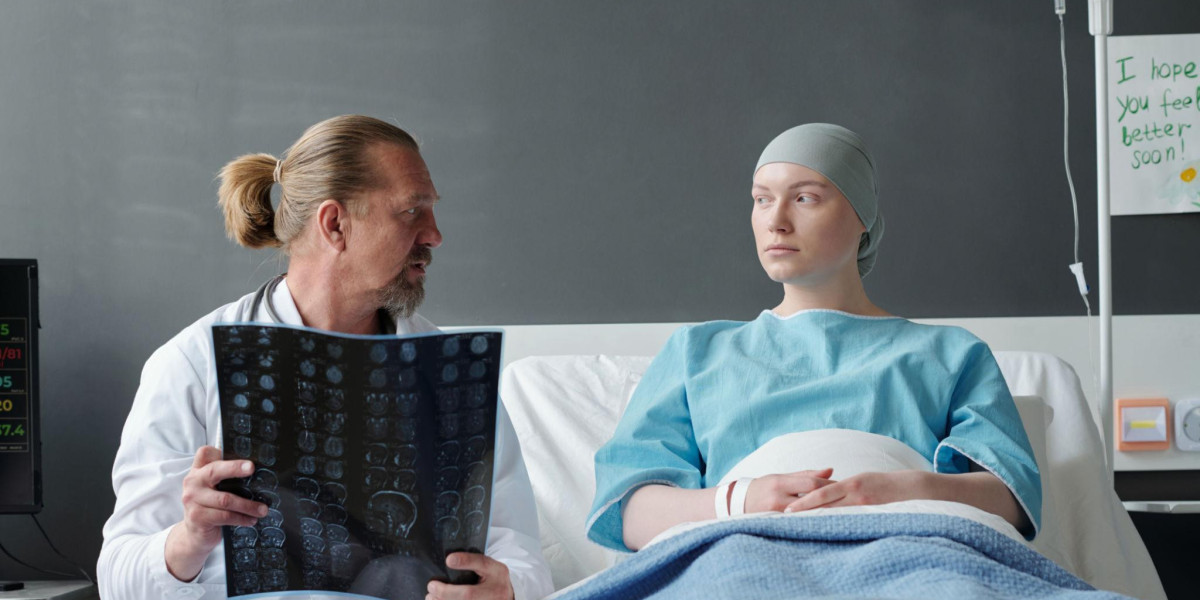

Hearing the words metastatic brain tumor can feel overwhelming. Many people describe the moment of diagnosis as confusing, emotional, and filled with uncertainty. Questions start immediately. What happens now? What treatments are available? Can life still feel normal again?
The truth is that life after a metastatic brain tumor diagnosis often looks different, but it does not stop. With modern treatment options, supportive care, and a strong medical team, many patients continue to work, spend time with family, travel, and enjoy meaningful daily routines.
Understanding what comes next can make the road ahead feel more manageable.
What Is a Metastatic Brain Tumor?
A metastatic brain tumor happens when cancer from another part of the body spreads to the brain. It is also called brain metastasis or secondary brain cancer. Common cancers that may spread to the brain include lung cancer, breast cancer, melanoma, kidney cancer, and colon cancer.
Unlike primary brain tumors, metastatic brain tumors begin elsewhere in the body.
The First Steps After Diagnosis
After diagnosis, your care team will usually focus on learning more about the tumor and your overall health. This may include:
- MRI or CT imaging
- Neurological exams
- Review of your original cancer history
- Blood work
- Discussions with specialists such as oncologists, neurosurgeons, and radiation experts
This stage helps doctors build a treatment plan tailored to your needs.
Treatment Options You May Discuss
Treatment depends on the number of tumors, size, location, symptoms, and your overall health. Many people receive a combination of treatments.
Surgery
If a tumor is causing pressure or symptoms, surgery may be recommended. Removing a tumor can relieve symptoms and provide tissue for testing.
Radiation Therapy
Radiation is commonly used for metastatic brain tumors. Options may include targeted radiosurgery or whole brain radiation, depending on the situation.
Systemic Therapy
Some cancers respond well to chemotherapy, targeted therapy, immunotherapy, or other medications that also help control brain metastases.
Symptom Management
Medications may be used to reduce swelling, prevent seizures, control pain, or ease nausea.
What Daily Life May Look Like
Life after diagnosis often involves adjustments, but many people create a new routine that works for them.
You may need more rest than usual. Fatigue is common after treatment. Some people notice memory changes, headaches, balance issues, or mood shifts. Others continue many normal activities with only minor limitations.
Helpful strategies include:
- Keeping a daily schedule
- Using reminders or notes
- Staying active as approved by your doctor
- Eating balanced meals
- Asking for help when needed
- Attending follow up appointments regularly
Small routines can bring a sense of control during a stressful time.
Emotional Health Matters Too
A metastatic brain tumor diagnosis affects more than the body. Anxiety, sadness, fear, and frustration are common. Patients and families both feel the impact.
Support can come from:
- Counseling
- Cancer support groups
- Social workers
- Faith communities
- Friends and family
- Mental health professionals
Talking openly about emotions can reduce isolation and stress.
Planning for the Future
Many patients want to know what the future holds. Every case is different. Some people respond very well to treatment and live meaningful lives for years. Others may need ongoing care and symptom support.
Focus on the parts you can control:
- Following your treatment plan
- Communicating symptoms early
- Protecting your mental health
- Spending time with people who matter
- Setting realistic goals
Life may change, but purpose and connection remain possible.
Questions to Ask Your Doctor
Bring questions to appointments so you feel informed:
- What treatment do you recommend first?
- What side effects should I expect?
- How will treatment affect my daily life?
- Are clinical trials available?
- What symptoms should prompt an urgent call?
Clear communication helps patients feel more confident.
Conclusion
Life after a metastatic brain tumor diagnosis often begins with fear, but it can also become a chapter of resilience, support, and hope. Medical advances continue to improve treatment options and quality of life. While the path may not be easy, you do not have to walk it alone.
If you or a loved one has been diagnosed, speak with a trusted specialist and build a care plan that supports both health and quality of life.
Frequently Asked Questions
Can you live a normal life with a metastatic brain tumor?
Many people continue meaningful daily activities after diagnosis. Life may require adjustments, but treatment and support can help maintain independence and routine.
Is a metastatic brain tumor treatable?
Yes. Treatment may include surgery, radiation, targeted therapy, immunotherapy, or symptom management, depending on the case.
What are common symptoms of metastatic brain tumors?
Symptoms may include headaches, seizures, weakness, memory changes, balance problems, or personality changes.
How serious is a metastatic brain tumor diagnosis?
It is a serious condition, but outcomes vary widely based on the original cancer type, number of tumors, treatment response, and overall health.
What should I do after diagnosis?
Meet with specialists, understand your treatment options, ask questions, and build a support system for both medical and emotional care.






