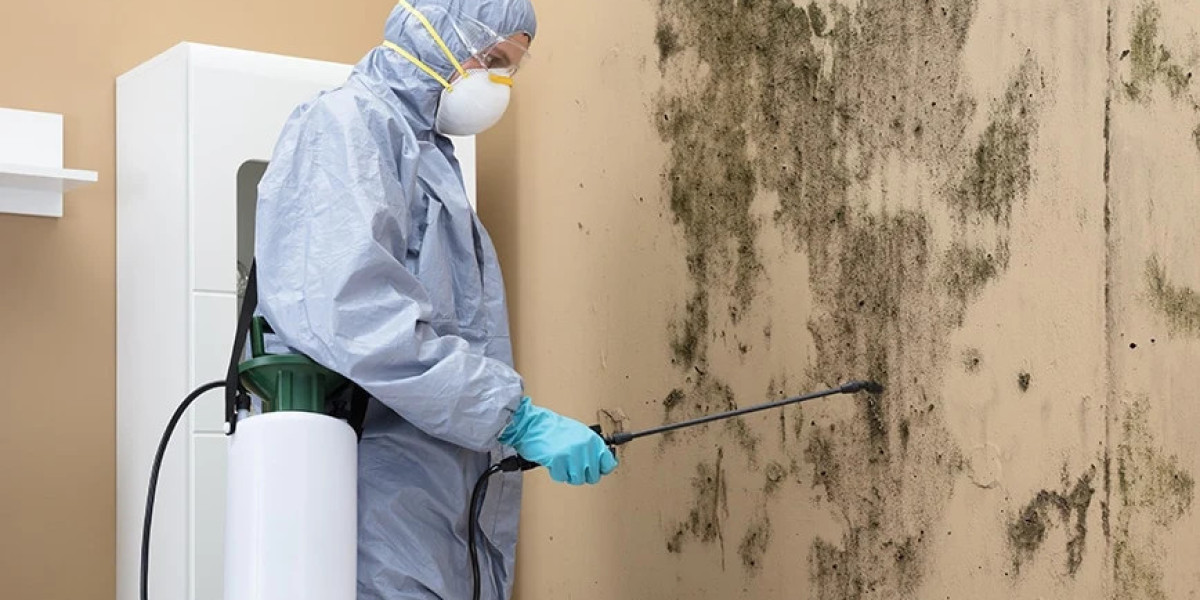

Finding mold in your home can be unsettling. Whether it is a small patch behind the bathroom tiles or a widespread growth discovered after a leak, the next step most homeowners take is searching for help. But not every company that shows up in those search results deserves your trust. Knowing what separates trusted mold removal services from inexperienced or unreliable ones is the key to making a decision that actually protects your home and the health of everyone in it. This guide explains exactly what to look for, what questions to ask, and why the quality of the company you hire matters far more than the price they quote.
Why Choosing the Right Mold Removal Company Matters
Mold is not just a cosmetic problem. It is a living organism that spreads, damages building materials, and releases spores that affect indoor air quality and respiratory health. When mold is handled incorrectly, the problem almost always gets worse. Disturbing mold without proper containment sends spores airborne and into adjacent rooms. Cleaning the surface without addressing the moisture source guarantees the mold returns within weeks. Removing visible growth without testing for hidden colonies leaves an incomplete job that gives homeowners false confidence.
This is why the company you hire matters so much. A team with the right training, equipment, and process does not just clean what they can see. They locate the full extent of the growth, contain it properly, remove it thoroughly, treat affected materials, and verify through testing that the job is actually complete. A company without these capabilities may charge less up front but cost you significantly more in repeat treatments, property damage, and health impacts over time.
Understanding the qualities that define a reliable service provider helps you ask better questions and spot warning signs before you commit to hiring anyone.
Proper Certification and Training
The first thing that sets professional mold removal services apart from unqualified operators is verifiable certification. Legitimate mold remediation companies employ technicians who hold certifications from recognized industry bodies such as the Institute of Inspection Cleaning and Restoration Certification (IICRC) or the American Council for Accredited Certification (ACAC). These certifications require structured training, practical competency testing, and ongoing education to maintain.
Certification matters because mold remediation involves health risks, building science, and specific containment protocols that casual experience does not cover. A certified technician understands how mold behaves, how to safely contain an affected area without spreading spores, which materials can be treated versus which must be removed, and how to handle disposal in a way that does not reintroduce contamination.
When evaluating a company, ask directly whether their technicians hold current IICRC or ACAC certification. A trustworthy company will provide that information without hesitation. If a company cannot tell you the certifications their team holds, that is a significant warning sign.
A Thorough Inspection Before Any Work Begins
Reliable mold removal experts do not start cleaning the moment they walk through your door. They begin with a thorough inspection that assesses the full scope of the problem before proposing any course of action. This step is what separates a professional approach from a surface-level fix.
A proper inspection includes visual examination of all affected and at-risk areas, moisture readings taken with calibrated meters, thermal imaging to detect moisture trapped behind walls and under floors, and air sampling to assess spore concentrations in the indoor environment. This combination of tools allows a qualified inspector to determine not just where mold is visible but where moisture is creating conditions for mold to grow in areas that cannot be seen.
Skipping this step or offering a treatment proposal without a full assessment is a red flag. It suggests the company is focused on getting the job done quickly rather than getting it done correctly. A good mold inspection is the foundation of every reliable remediation project because you cannot effectively treat a problem you have not fully mapped.
For more on what a professional inspection involves and when one is necessary, our guide on the top 5 signs you need a professional mold inspection walks through the warning signs homeowners most commonly overlook.
Transparent Communication and Written Estimates
One of the most telling signs of a trustworthy mold removal company is how clearly and honestly they communicate with you throughout the process. From the initial call to the final walkthrough, every step should be explained in plain language without pressure tactics or unnecessary urgency designed to push you toward a decision before you are ready.
Before any work begins you should receive a written estimate that breaks down what the job involves, what it will cost, and what the outcome will look like when the work is complete. Vague estimates that lack detail about scope or method leave too much room for surprises. Trustworthy companies are specific because they have a defined process and they stand behind their work.
Good communication also means the team keeps you informed as the job progresses. If they discover additional mold during remediation that was not visible during the initial inspection, they should explain what they found, why it changes the scope of the project, and what the updated cost will be before proceeding. No surprises, no pressure, no hidden fees after the fact.
Proper Containment During Remediation
The way a company handles the actual removal process is one of the clearest indicators of their professionalism. Mold remediation requires physical containment of the affected area to prevent spores from spreading to clean parts of the home during removal. This is not optional. It is a fundamental requirement of safe and effective remediation.
Containment involves sealing off the work area with plastic sheeting, using negative air pressure machines to keep air movement directed away from clean areas, and ensuring that workers move between the contained and uncontained zones in a way that does not transfer contamination. HEPA-filtered air scrubbers run continuously to capture spores released during cleaning and material removal.
Companies that skip containment are not performing professional mold removal. They are cleaning in a way that can make your air quality worse rather than better. If a technician arrives at your home with only a spray bottle and cleaning rags and no containment setup, that is a clear sign that what follows will not meet professional standards.
Use of Commercial-Grade Equipment
The equipment a mold removal company uses is a direct reflection of their investment in doing the job properly. Trusted mold removal services rely on professional-grade tools that go well beyond what a homeowner can purchase at a hardware store.
This equipment typically includes HEPA vacuums capable of capturing particles as small as 0.3 microns, air scrubbers that continuously filter the indoor air during and after remediation, industrial dehumidifiers for drying building materials after treatment, moisture meters for verifying that building materials have reached safe dryness levels before the area is closed up, and thermal imaging cameras for detecting hidden moisture that cannot be seen with the naked eye.
The use of this equipment is what makes the difference between a job that looks complete and a job that actually is complete. When moisture is left behind in a wall cavity or floor system after remediation, it will produce new mold growth within weeks. Commercial drying and verification equipment eliminates that outcome.
Addressing the Moisture Source First
Any mold removal company that cleans mold without identifying and addressing the moisture source causing the growth is setting you up for a repeat problem. Mold is a symptom of a moisture issue. Remove the mold without fixing the underlying cause and you have not solved anything.
Reputable mold removal experts assess the moisture conditions in your home as part of the remediation process. They identify whether the growth is being fed by a plumbing leak, roof damage, condensation, groundwater intrusion, or inadequate ventilation. They will either address these issues directly as part of their service scope or clearly communicate what needs to be repaired before the remediation work will hold.
For homes that have experienced a flood or significant water intrusion, moisture management is especially critical. You can read more about the essential steps for drying out a home properly in our guide on how to fix water damage quickly. Remediating mold in a home that still has unresolved water damage is an exercise in futility.
Post-Remediation Testing and Verification
A professional remediation job does not end when the visible mold is gone. It ends when independent testing confirms that spore levels in the affected area have returned to normal baseline levels. This step is what separates a completed job from a job that just looks complete.
Post-remediation testing involves air sampling and surface sampling in the treated areas. The results are compared against baseline samples from unaffected parts of the home. If spore concentrations remain elevated, additional treatment is required before the space is declared safe for normal use.
Not every mold removal company offers or encourages post-remediation testing. Some consider it outside their scope. A company that actively recommends it and is willing to stand behind the results of independent testing is demonstrating a level of accountability that reflects genuine professionalism. It means they are confident in the quality of their work and committed to an outcome that is verifiable rather than assumed.
Local Experience and Established Reputation
When searching for mold removal services near me it is worth going beyond the first few sponsored results and looking at a company's actual history in your area. A company with years of local experience understands the specific conditions that drive mold problems in your region. In warm humid climates like Southwest Florida for example mold pressure is year-round and the combination of high outdoor humidity with frequent rain creates conditions that require a different level of attention than mold problems in drier parts of the country.
Local reputation is also meaningful. Companies that have served a community for many years have a track record that you can evaluate through reviews, testimonials, and word of mouth. Ask neighbors, check verified review platforms, and look for companies that have been recognized by home services networks that independently verify quality.
Long-standing local companies also understand the building construction common in your area. They know which materials are most commonly affected, which building configurations tend to trap moisture, and which problems are most likely to be found in homes of different ages and types. That familiarity translates into more accurate assessments and more effective treatment plans.
Clear Warranty or Guarantee on Work
A company that stands behind their results will typically offer some form of guarantee on the work they perform. This might be a warranty on the remediation itself for a defined period or a commitment to return at no charge if mold recurs in the treated area within a reasonable timeframe.
A guarantee matters not just as a financial protection but as a signal about the company's confidence in their own process. If a company is not willing to back their work in any way, ask yourself why. Reputable professional mold removal services invest in doing the job right the first time and they are willing to stand behind that investment.
Why Professional Help Is Worth It
Some homeowners weigh the cost of professional service against attempting to handle mold on their own. For small patches on hard surfaces with a clearly identified moisture source, a careful DIY approach may be reasonable. However for anything beyond that, the value of professional mold removal experts is clear. You get accurate assessment, safe containment, thorough removal, verified results, and protection against the compounding costs that come from an incomplete job.
To understand more about the specific risks of attempting large mold problems without professional help, our guide on when is it safe to clean mold yourself vs calling an expert lays out the criteria clearly so you can make an informed decision for your specific situation.
The health effects of prolonged mold exposure are also a factor that should not be underestimated. Our detailed guide on the dangers of mold and how it affects your health covers the respiratory and systemic health risks associated with indoor mold exposure, particularly for children, elderly individuals, and anyone with a compromised immune system.
Conclusion
Knowing what to look for in trusted mold removal services helps you cut through the noise and make a decision that actually protects your home. Certification, thorough inspection, proper containment, commercial-grade equipment, moisture source resolution, post-remediation testing, and a verifiable local reputation are the markers of a company worth hiring. A lower price from an unqualified operator is not a bargain. It is a risk that tends to become a more expensive problem over time.
If you are dealing with mold in your home, the team at The Mold Guys brings over 25 years of experience serving homeowners across Southwest and Central Florida. They provide thorough inspections, safe and complete remediation, and practical guidance for keeping your home mold-free going forward. Contact The Mold Guys today and get a clear assessment from a team you can rely on.
FAQs
Q: How do I know if a mold removal company is actually certified? A: Ask the company directly which certifications their technicians hold. Look for IICRC or ACAC credentials. Legitimate companies will provide this information clearly and without hesitation. You can also verify certifications through the certifying organization's website.
Q: What happens if mold is found behind a wall during remediation? A: A professional team will inform you of the discovery before proceeding. They will explain the extent of the growth, what materials need to be removed, and the updated scope of work. No additional work should begin without your approval and a revised written estimate.
Q: How long does a professional mold remediation job typically take? A: Most residential mold remediation projects take between one and five days depending on the size of the affected area and the materials involved. Larger infestations affecting structural components or multiple rooms may take longer. Your technician should give you a realistic timeline before starting.
Q: Can mold come back after professional remediation? A: Mold will not return in a properly remediated area if the underlying moisture source has been resolved. If the moisture problem is not fixed, mold will regrow regardless of how thoroughly the removal was performed. Addressing the root cause is a non-negotiable part of effective remediation.
Q: Should I get a mold inspection before buying a home? A: Yes. A professional mold inspection before purchasing a property can reveal hidden growth behind walls, in crawl spaces, or in attic areas that are not visible during a standard walkthrough. Identifying mold before closing gives you negotiating power and protects you from inheriting a costly remediation project.