
If you are dealing with muscle tension, stress, or chronic pain, you have likely come across two popular options, cupping therapy and massage. Both are widely offered in San Francisco, especially in integrative wellness clinics. But which one is actually better for your body?
The answer is not one size fits all. It depends on your goals, your pain level, and how your body responds to treatment. Let’s break it down in a simple, honest way.
What Is Cupping Therapy?
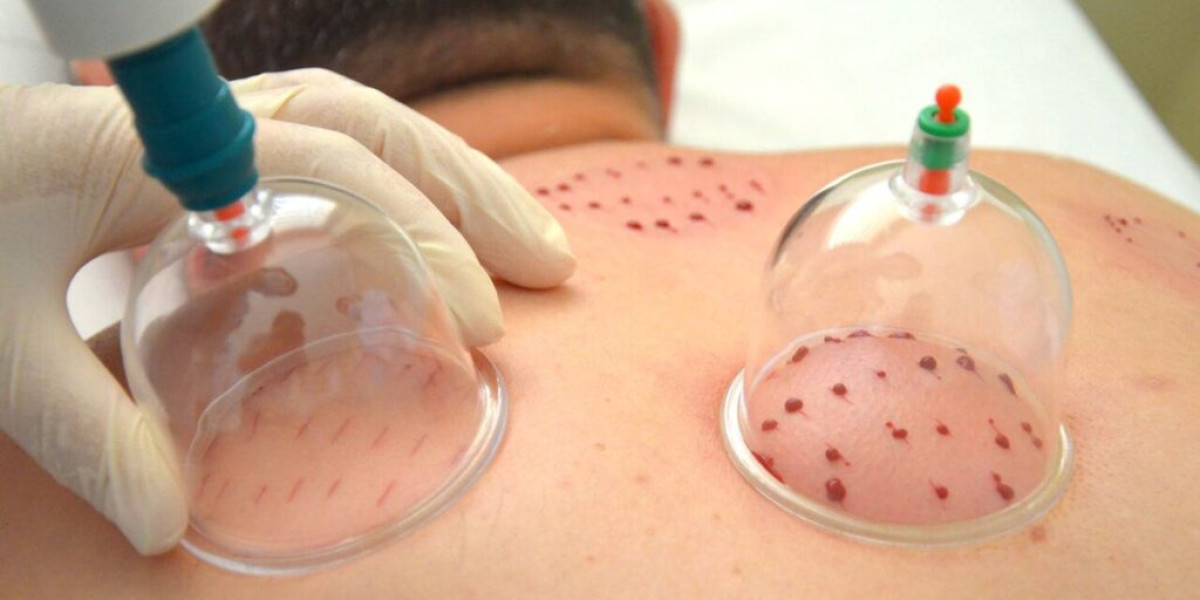
Cupping therapy is an ancient healing technique rooted in traditional Chinese medicine. It uses suction cups placed on the skin to gently pull the tissue upward.
Instead of pressing into muscles like massage, cupping lifts them. This creates space in the tissue and may help improve circulation and reduce tightness.
Some research suggests cupping can help reduce pain intensity, especially for musculoskeletal conditions, though evidence quality is still developing.
Key Benefits of Cupping
- Targets deep muscle tension
- May improve blood flow and lymphatic drainage
- Helpful for stubborn knots or chronic pain
- Often used for back, neck, and shoulder issues
You will usually notice circular marks after treatment. These are temporary and fade within a few days.
What Is Massage Therapy?
Massage therapy is a more familiar and widely accepted treatment. It involves applying pressure, kneading, and movement to muscles and soft tissues.
Massage works by relaxing the nervous system and improving circulation. It is often recommended as a first step for pain relief and stress management.
Key Benefits of Massage
- Relieves everyday muscle tension
- Promotes relaxation and stress relief
- Improves flexibility and circulation
- Supports mental well being
Massage is also commonly recommended in clinical guidelines for managing back pain and other musculoskeletal issues.
Cupping vs Massage: The Real Difference
The biggest difference comes down to pressure versus suction.
Massage pushes into the muscles, while cupping pulls the tissue upward. This creates a completely different sensation and effect on the body.
Here is how they compare in real life:
Cupping Therapy
- Best for deep, stubborn tension
- Feels like a pulling sensation
- Leaves visible marks
- Often used for recovery and chronic pain
Massage Therapy
- Best for relaxation and general tension
- Feels soothing and rhythmic
- No marks on the skin
- Ideal for stress relief and maintenance
Some people even combine both treatments for better results, especially in integrative clinics across San Francisco.
Which One Is Better for You?
Instead of asking which is better, it is more helpful to ask what your body needs right now.
Choose cupping therapy if:
- You have chronic pain or tightness that does not improve with massage
- You want deeper tissue release
- You are recovering from workouts or physical strain
Choose massage if:
- You want to relax and de stress
- You have mild to moderate muscle tension
- You prefer a gentle, calming experience
If you are unsure, many practitioners recommend starting with massage and then adding cupping as needed.
Can You Combine Cupping and Massage?
Yes, and this is where things get interesting.
Many clinics in San Francisco offer a combination approach. A session may begin with massage to warm up the muscles, followed by cupping to target deeper layers.
This combination can provide both relaxation and therapeutic relief, making it a popular choice for people dealing with ongoing pain or stress.
Final Thoughts
Both cupping therapy and massage have their place in modern wellness. One is not necessarily better than the other.
Cupping is more targeted and intense. Massage is more relaxing and versatile.
If you are in San Francisco and exploring natural ways to feel better, the best approach is to try both and see how your body responds. Your ideal treatment might not be either or. It might be a combination of both.
Frequently Asked Questions
1. Is cupping therapy better than massage for pain relief?
Cupping may provide deeper relief for chronic pain, while massage works better for general tension and relaxation. It depends on the condition.
2. Does cupping hurt more than massage?
Cupping feels different, not necessarily painful. It creates a pulling sensation, while massage uses pressure.
3. How often should I get cupping or massage?
For maintenance, once every 2 to 4 weeks works well. For pain relief, weekly sessions may be recommended initially.
4. Are cupping marks harmful?
No, the marks are temporary and usually fade within a few days. They are a normal part of the process.
5. Can I do both cupping and massage together?
Yes, combining both therapies is common and can enhance overall results, especially for chronic tension and recovery.