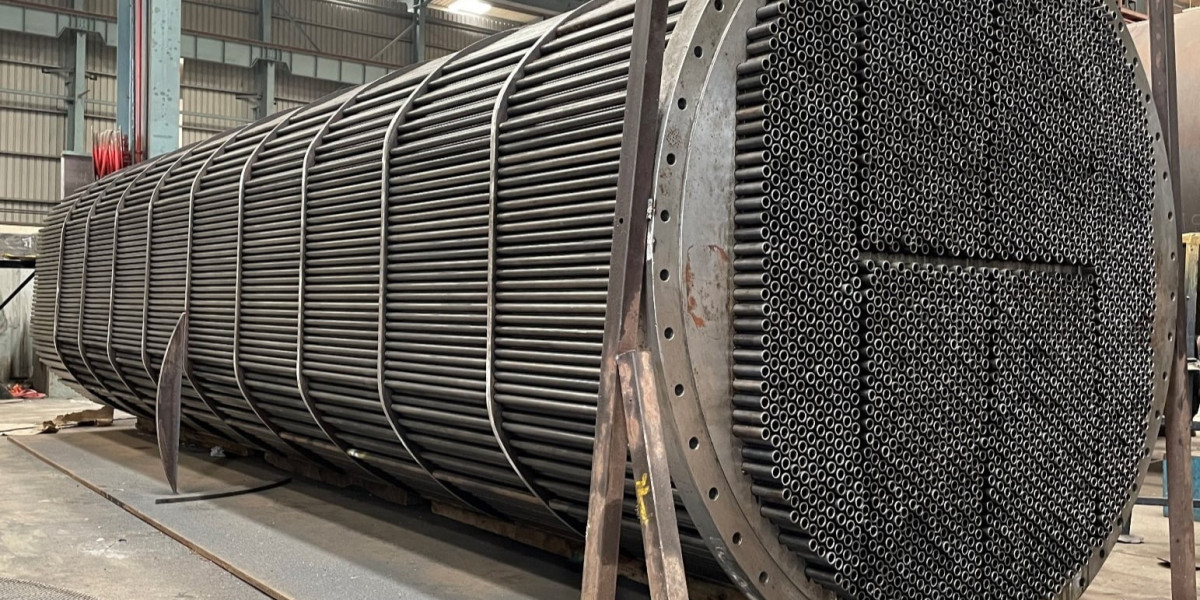

Heating systems are essential for maintaining a comfortable indoor environment during cold weather. Whether in residential or commercial spaces, a reliable heating system ensures warmth, energy efficiency, and overall well-being.
What Is a Heating System?
A heating system is designed to generate and distribute heat throughout a building. Depending on the type of system, heat may be delivered through air, water, steam, or radiant surfaces.
Common Types of Heating Systems
1. Furnaces
Furnaces are one of the most common heating systems. They work by heating air and distributing it through ducts and vents.
- Powered by gas, electricity, or oil
- Fast and effective heating
- Often paired with central air systems
2. Boilers
Boilers heat water and distribute it through radiators, baseboards, or radiant floor systems.
- Provides even, consistent heat
- Quiet operation
- Ideal for homes without ductwork
3. Heat Pumps
Heat pumps transfer heat instead of generating it, making them highly energy-efficient.
- Can both heat and cool
- Works well in moderate climates
- Lower energy consumption
4. Ductless Mini-Split Systems
These systems provide zoned heating without ductwork.
- Easy installation
- Individual temperature control for each room
- Energy-efficient and quiet
5. Radiant Heating Systems
Radiant systems deliver heat directly through floors, walls, or ceilings.
- Even heat distribution
- Increased comfort
- No air circulation
Benefits of a Good Heating System
- Comfort – Maintains a consistent indoor temperature
- Energy Efficiency – Reduces energy consumption and utility costs
- Improved Air Quality – Modern systems include filtration features
- Reliability – Keeps your home warm during extreme weather
Signs You Need Heating Service or Replacement
- Uneven heating throughout your home
- Strange noises or odors
- Rising energy bills
- Frequent repairs
- System age over 10–15 years
If you notice these issues, it may be time for maintenance or an upgrade.
Maintenance Tips
To keep your heating system running efficiently:
- Replace or clean filters regularly
- Schedule annual professional inspections
- Keep vents and radiators clear
- Check thermostat settings
- Inspect for leaks or unusual sounds
Regular maintenance helps extend the life of your system and ensures optimal performance.
Choosing the Right Heating System
When selecting a heating system, consider:
- Size of your home or building
- Energy efficiency ratings
- Installation and operating costs
- Climate conditions
- Existing infrastructure (ducts, pipes, etc.)
A professional HVAC technician can help determine the best system for your needs.
Heating systems are a vital part of any home or business, providing warmth, comfort, and safety during colder months. With various options available, choosing the right system and maintaining it properly ensures reliable performance and long-term savings.
Investing in a quality heating system not only improves comfort but also enhances energy efficiency and overall property value.