
Introduction
In many workplaces, accidents rarely happen because safety rules are missing. They happen because risks are noticed too late or ignored in daily routines. A worker may bypass a procedure to save time, or a supervisor may assume everything is under control without verifying conditions on the ground. Over time, these small gaps create a weak safety culture where hazards quietly grow.
This is where structured learning like an IOSH Course becomes important. It helps individuals understand how safety systems work in real environments and why consistent monitoring is not just a task but a habit that protects people, equipment, and operations.
A strong safety culture is not built through policies alone. It is built through active monitoring, continuous observation, and timely correction of unsafe behavior. When organizations treat monitoring as part of everyday work instead of an occasional inspection, they begin to reduce risks before they turn into incidents.
Active Monitoring in Workplace Safety
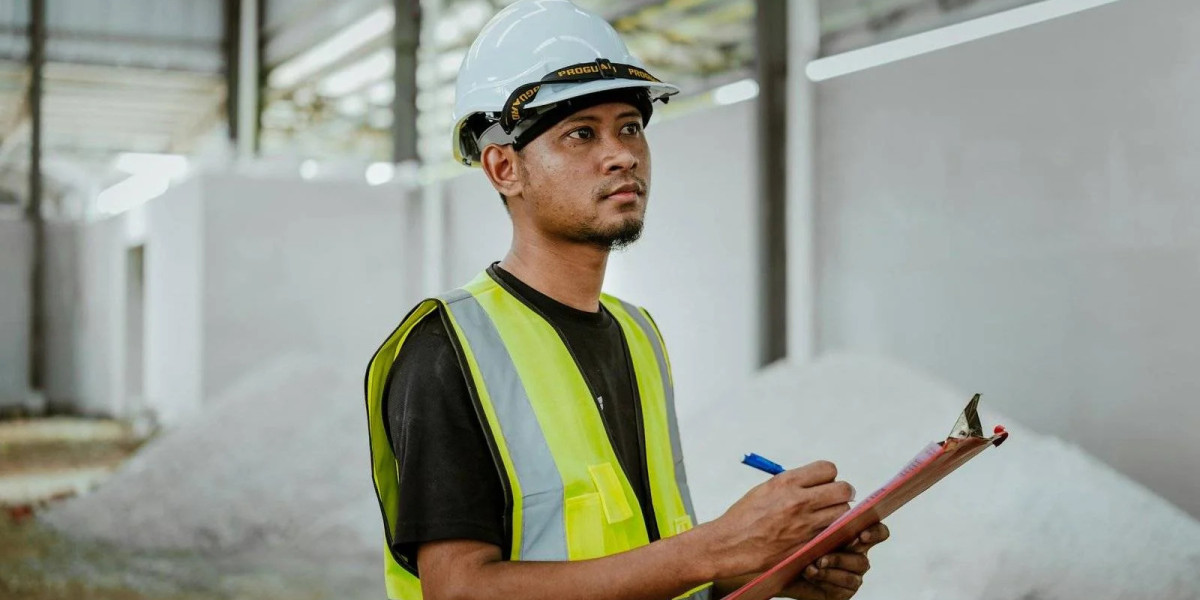
Active monitoring in safety culture refers to the continuous process of observing workplace conditions, behaviors, and systems to ensure standards are being followed correctly. It is not limited to formal audits or scheduled inspections. Instead, it happens in real time during daily operations.
In a manufacturing unit, for example, active monitoring might involve a supervisor noticing a worker bypassing machine guards. In a construction site, it may involve identifying unsafe scaffolding use before work begins. These small interventions prevent larger consequences later.
Active monitoring works best when it becomes part of routine behavior rather than a separate responsibility. When employees and supervisors actively look for risks, safety becomes a shared mindset instead of a compliance requirement.
Why Safety Culture Breaks Without Proper Monitoring
A safety culture may look strong on paper, but without monitoring, it slowly weakens in practice. The gap between written procedures and real workplace behavior is where most risks emerge.
One major reason safety culture fails is normalization of unsafe behavior. When workers repeatedly see shortcuts being taken without consequences, those behaviors start feeling acceptable. Over time, even serious hazards become “normal.”
Another issue is lack of feedback loops. If hazards are identified but not corrected or communicated properly, employees lose motivation to report them. This creates silence around risks, which is often more dangerous than the risks themselves.
Poor monitoring also leads to delayed response. Instead of preventing incidents, organizations end up reacting after harm has already occurred. This reactive approach increases both human and operational impact.
Key Elements of a Strong Safety Culture Through Monitoring
Building a strong safety culture requires more than occasional checks. It depends on consistent systems and human behavior working together.
1.Visible leadership involvement
When supervisors and managers actively participate in monitoring, employees take safety more seriously. Leadership presence on the ground reinforces accountability.
2.Real-time hazard identification
Hazards should be identified as they appear, not only during formal inspections. This includes unsafe acts, environmental risks, and equipment misuse.
3.Open communication channels
Workers should feel comfortable reporting hazards without fear of blame. A strong culture encourages dialogue, not silence.
4.Continuous feedback and correction
Monitoring is incomplete without corrective action. Every identified issue should lead to a response, whether immediate or scheduled.
5.Data-informed safety decisions
Tracking repeated issues helps identify patterns. For example, frequent slip hazards in one area may indicate a drainage or housekeeping problem.
Practical Steps to Implement Active Monitoring in the Workplace
Organizations can strengthen safety culture by integrating monitoring into daily operations. The goal is to make it natural rather than forced.
Step 1: Define what to monitor
Clearly identify high-risk activities, such as working at height, electrical maintenance, or chemical handling. Focus monitoring efforts where risks are highest.
Step 2: Train employees to observe actively
Workers should be trained not only to follow rules but also to recognize unsafe conditions around them. Awareness is the foundation of prevention.
Step 3: Introduce daily observation routines
Short workplace walkthroughs by supervisors help identify risks early. These do not need to be formal inspections.
Step 4: Encourage reporting without fear
Employees must be encouraged to report hazards or near misses. A blame-free environment improves participation.
Step 5: Act on findings quickly
Even small hazards should be addressed promptly. Delayed action reduces trust in the monitoring system.
Step 6: Review patterns regularly
Repeated observations should be analyzed to identify systemic issues rather than isolated problems.
The Role of Supervisors and Employees in Monitoring
A strong safety culture depends on shared responsibility. Supervisors and employees both play essential roles, but their responsibilities differ.
Supervisors act as guides and observers. They ensure procedures are followed, identify gaps, and provide immediate feedback. Their behavior sets the tone for the entire team. If supervisors ignore unsafe practices, employees are likely to do the same.
Employees, on the other hand, are the first line of observation. They are closest to the actual work environment and can detect risks that others may miss. Their participation in monitoring ensures real-time awareness of hazards.
For example, in a warehouse setting, a worker may notice a leaking forklift before it becomes a serious accident risk. If reported immediately, it prevents downtime and injury.
When both groups collaborate, monitoring becomes more effective and safety becomes part of the workplace identity.
Common Mistakes That Weaken Safety Monitoring
Even well-structured safety systems can fail if monitoring is not applied correctly.
One common mistake is over-reliance on paperwork. Organizations may focus on filling checklists instead of observing real conditions. This creates a false sense of safety.
Another issue is inconsistent monitoring. When supervision happens only occasionally, unsafe behaviors reappear between checks.
Lack of follow-up is also a major weakness. Identifying hazards without correcting them reduces trust in the system and discourages reporting.
Finally, ignoring human behavior is a critical gap. Many incidents are caused not by equipment failure but by unsafe actions. Without addressing behavior, monitoring remains incomplete.
Building Training and Learning Pathways for Stronger Safety Culture
Long-term improvement in safety culture depends on education and structured learning. Organizations that invest in training develop employees who understand both risks and responsibilities.
Safety training helps individuals connect theory with real-world workplace behavior. It also improves decision-making during unexpected situations. When workers understand why monitoring matters, they are more likely to participate actively in it.
Structured programs also help standardize safety knowledge across teams. This ensures that everyone, from entry-level workers to supervisors, follows the same safety expectations.
In this context, professional development such as the IOSH Managing Safely Course plays an important role. It supports learners in understanding hazard identification, risk control, and practical workplace monitoring techniques. When combined with on-the-job experience, such training strengthens the foundation of a proactive safety culture.
FAQs
What is active monitoring in workplace safety?
Active monitoring is the continuous observation of workplace conditions and behaviors to identify and control risks before they lead to incidents.
Why is safety culture important in organizations?
Safety culture influences how people behave around risks. A strong culture reduces accidents, improves awareness, and promotes responsible behavior.
How can employees contribute to safety monitoring?
Employees contribute by reporting hazards, following procedures, and observing unsafe conditions during daily tasks.
What are common barriers to effective safety monitoring?
Barriers include lack of communication, poor follow-up on hazards, inconsistent supervision, and over-reliance on paperwork.
Can safety culture improve without formal training?
Improvement is possible, but formal training significantly strengthens understanding, consistency, and long-term safety behavior.
Conclusion
A strong safety culture is not created through rules alone. It develops through daily awareness, active observation, and consistent follow-through. When organizations embed monitoring into everyday work, risks are identified earlier and controlled more effectively.
Over time, this approach builds trust, accountability, and shared responsibility across the workplace. Safety becomes less about enforcement and more about habit and awareness.
In the end, organizations that prioritize active monitoring create environments where people not only work efficiently but also return home safely every day.