

When it comes to choosing the right shed for your property, size, durability, and cost are key considerations. Among the most popular choices for homeowners, tradespeople, and hobbyists alike is the 6m x 9m shed. Offering a spacious footprint while remaining manageable for most blocks, this shed size is versatile enough for storage, workshops, or even a small business operation. But how much does a 6m x 9m shed cost in Australia? Let’s break it down.
Understanding the 6m x 9m Shed
A 6m x 9m shed is a sizeable structure, measuring roughly 54 square metres. This makes it ideal for storing multiple vehicles, machinery, garden equipment, or for creating a functional workspace. Unlike smaller sheds, this size offers enough room for flexibility without taking over your backyard completely.
When budgeting for a shed, Australians need to consider several factors:
- Material – Steel sheds are the most common in Australia for their durability, low maintenance, and resistance to pests. Timber sheds can offer a more aesthetic appeal but require more upkeep.
- Design and Roof Type – Gable, skillion, and Dutch gable roofs are popular choices. The design affects both the price and the storage efficiency inside the shed.
- Features – Roller doors, windows, skylights, insulation, and mezzanine floors can all increase the total cost.
Base Price for a 6m x 9m Shed
For a standard, basic steel shed in Australia, the price typically starts from $12,000 to $18,000. This price usually includes the shed kit with pre-cut steel panels, the frame, and basic roller doors. Installation is sometimes extra, depending on the supplier and the complexity of the site.
It’s important to note that this base price is for a shed without extra customisations. For example, if you want colourbond cladding, extra doors, or a higher roof, the cost can increase significantly.
Factors That Influence Shed Pricing
- Material Quality
High-quality, Australian-made steel generally costs more but is worth the investment for long-term durability. Imported or lower-grade steel sheds can save money upfront but may have shorter lifespans or require more maintenance. - Roof and Wall Height
Standard sheds usually have wall heights of 2.4m to 3m. Opting for higher walls or a taller roof can increase internal storage space and allow for larger vehicles, but will raise the price. - Doors and Access Points
A single roller door is cheaper than multiple roller doors. Adding side access doors or pedestrian doors can improve functionality but adds to the cost. Typical roller doors for a 6m x 9m shed cost around $800 to $1,200 each, depending on quality. - Site Preparation
Before installation, the site must be level and cleared. Some suppliers include basic site prep in the cost, while others may charge extra if there are trees, rocks, or uneven terrain. Concrete slab foundations are the preferred choice and can cost anywhere from $4,000 to $8,000, depending on the thickness and soil conditions. - Custom Features
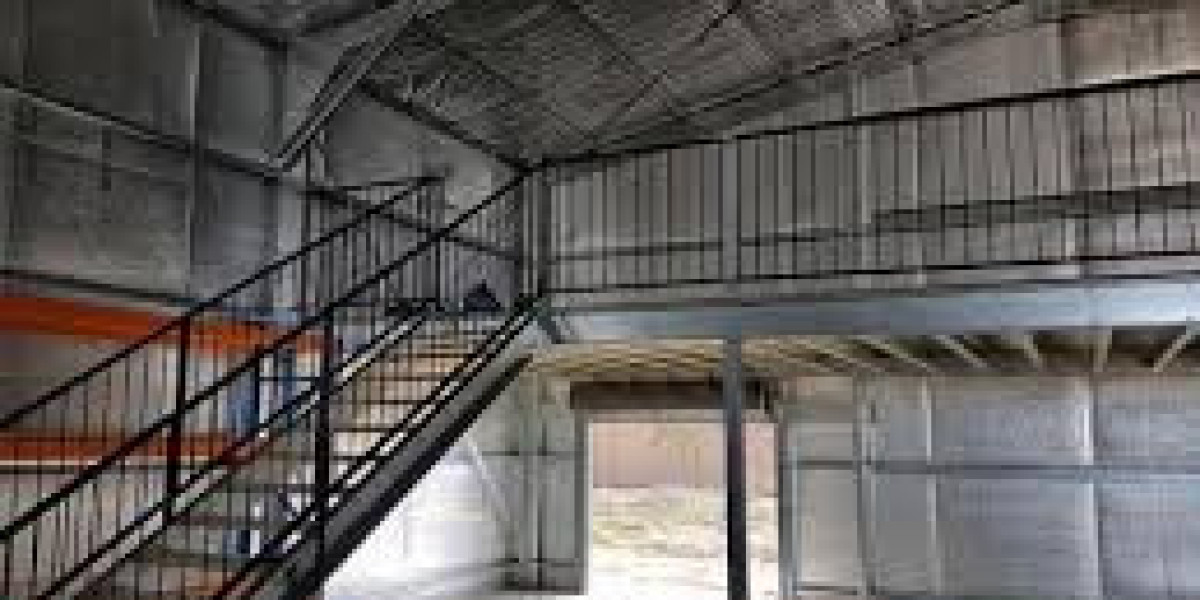
Features like insulation, windows, skylights, gutters, and mezzanine floors increase both functionality and price. For instance, installing a mezzanine floor in a 6m x 9m shed can cost an additional $4,000–$6,000 but doubles the usable storage area.
Average Total Cost
Taking all factors into account, most Australians can expect to pay between $18,000 and $30,000 for a fully equipped 6m x 9m shed, including installation and a concrete slab foundation. Customised options with premium features can push the price closer to $35,000 or more.
It’s worth comparing quotes from multiple suppliers to get a clear picture of the market. Popular shed suppliers in Australia, like Stratco, Bluescope, and local independent shed builders, often have package deals that include delivery and installation, which can save money in the long run.
DIY vs Professional Installation
Some homeowners opt for DIY installation to save costs. While this can reduce expenses by up to 30%, it requires tools, labour, and time. DIY installation is generally feasible for people with construction experience, but for most, professional installation is safer and ensures compliance with local building codes.
Professional installers also help with permits, which may be required depending on your state or territory. For example, in New South Wales or Victoria, larger sheds often need a council approval or building permit.
Choosing the Right 6m x 9m Shed
Selecting the right shed is more than just price. Here are some tips for Australians looking at a 6m x 9m shed:
- Define the Purpose: Will it be a garage, workshop, or storage unit? The intended use affects design, doors, and internal fittings.
- Check Local Regulations: Always confirm if you need a permit and comply with local council requirements.
- Consider Expansion: If you may need extra space in the future, consider a design that allows for extensions.
- Invest in Quality: Cheaper sheds may seem attractive initially but can cost more over time due to repairs and maintenance.
Conclusion
A 6m x 9m shed is a practical and versatile choice for many Australians. With a base price starting around $12,000 and fully customised options reaching $35,000, the final cost depends on materials, design, features, and installation. By carefully considering your needs, budget, and the options available, you can find a shed that not only meets your storage and workspace requirements but also enhances your property’s value.
Remember, in Australia, investing in a high-quality shed can save money and stress over the years, providing a sturdy, weather-resistant space that lasts decades. Whether you’re a hobbyist, tradesperson, or homeowner looking for extra storage, a 6m x 9m shed is an excellent investment that balances space, functionality, and cost.






