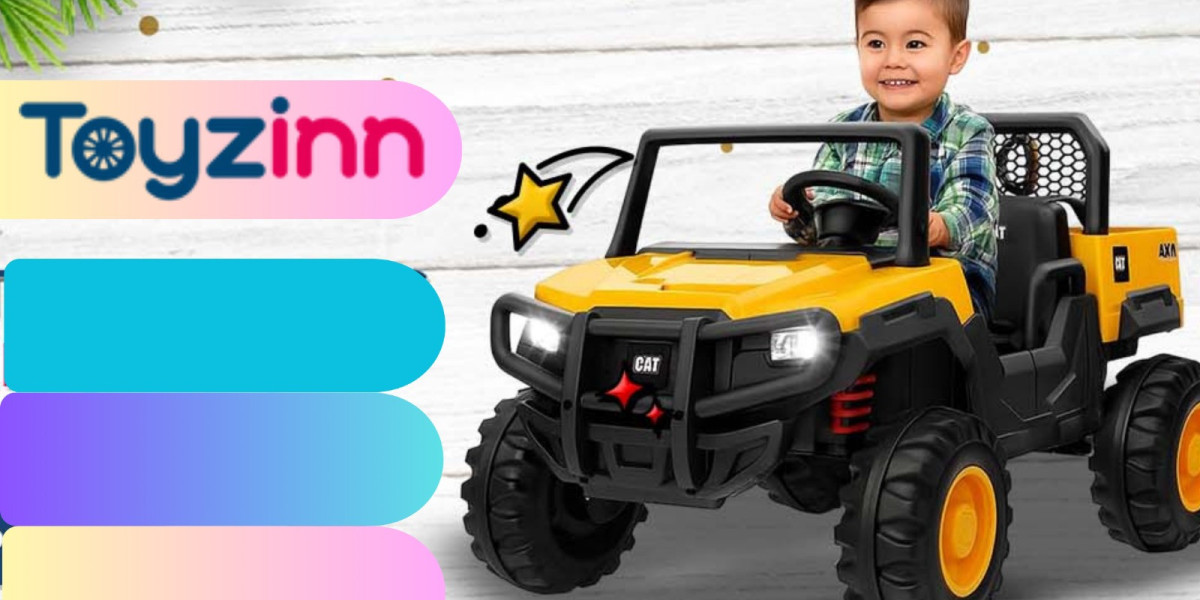

Toys for Kids: A Parent’s Guide to Safe, Fun, and Educational Play
Toys play an essential role in childhood. They are not just sources of amusement they shape cognitive growth, develop motor skills, foster creativity, and build social interaction. Whether you’re choosing a toy for a birthday, holiday, or everyday play, understanding what makes a toy meaningful helps you make better decisions.
This guide explains what to look for when choosing toys for kids, covering safety, age-appropriateness, educational value, and long-term engagement.
Why Toys Matter for Kids’ Development
When children play, they’re learning often without even realizing it. The right toys can:
Enhance problem-solving and critical thinking
Improve hand-eye coordination and motor skills
Encourage imagination and creative expression
Foster social skills through shared play
Build confidence and independence
Whether your child is an infant or school-aged, the toys you choose influence how they interact with the world.
Safety: The First Priority for Toys for Kids
No matter what type of toy you pick, safety comes first especially for younger children.
Look for Certified Safe Materials
Toys should be:
Non-toxic and free from BPA
Smooth-finished with no sharp edges
Free of small detachable parts for younger children
Clearly labeled with age recommendations
Toys that meet safety standards give parents peace of mind.
Check Age Appropriate Labels
Every toy should specify an age range. If a toy is that’s designed for older kids, it can pose risks — and toys meant for younger children may not engage older kids.
For example:
Soft sensory toys work best for infants
Building sets appeal to preschool and school-age children
STEM kits are ideal for older kids who enjoy logic challenges
Matching toys to developmental stages helps your child stay both safe and stimulated.
Educational Value: Combining Fun With Learning
The best toys for kids are those that encourage development while still being fun.
Cognitive Development
Look for toys that support thinking skills:
Puzzles and logic games
Memory matching sets
Pattern sequencing games
These toys help children think critically and solve problems.
Core Skills and Creativity
Toys that boost creativity include:
Art and craft kits
Building and construction sets
Open-ended play toys
These tools let kids express ideas and explore imaginative scenarios.
Physical and Social Development
Toys can also help develop stronger physical and social skills.
Physical Play
Outdoor toys and activity sets encourage:
Gross motor coordination
Balance and agility
Healthy active play
Social Interaction
Board games and cooperative play sets teach:
Communication
Turn-taking
Cooperation
These toys help kids learn how to play and interact with others.
Choosing Age-Appropriate Toys
Different age groups benefit from different types of toys.
Babies and Toddlers (0–3 years)
Choose soft, sensory toys with:
Different textures
Bright colors
Safe shapes
Gentle sounds
These toys support basic sensory and motor development.
Preschoolers (3–5 years)
At this stage, kids love pretend play and building activities:
Dress-up and role-play sets
Simple puzzles
Blocks and stacking toys
Beginner art kits
These encourage storytelling and imaginative thinking.
School-Age Children (6+ years)
Children in this group benefit from more structured and challenging toys:
Science and STEM kits
Strategy board games
Advanced building sets
Interactive learning tools
These toys help kids explore deeper problem-solving and critical thinking.
Quality Over Quantity
It’s tempting to buy many toys, but fewer high-quality options often deliver more value.
Choose toys that:
Last longer
Are made with durable materials
Provide multiple play styles
Grow with your child
Investing in quality toys reduces waste and increases long-term engagement.
Shopping Tips for Parents
Here’s a quick checklist to help you make smart choices for toys for kids:
✔ Check age labels and safety certifications
✔ Read customer reviews before purchasing
✔ Consider durability and play versatility
✔ Avoid overly electronic toys that distract rather than engage
✔ Balance educational and fun play options
Final Thoughts
Choosing the right is about balancing fun with purpose ensuring safety, encouraging learning, and nurturing creativity. Whether you’re shopping locally or online, prioritizing quality, age-appropriateness, and developmental value helps you pick toys that children will enjoy and benefit from.
Smart toy choices contribute to confident, curious, and capable kids turning playtime into a powerful part of growing up.