 What role does labor cost play in bonded construction?
Labor costs are a significant factor in bonded construction projects, as wages, benefits, and overtime can quickly accumulate. Understanding local labor markets and planning for potential labor shortages or increased wage demands is crucial for accurate budgeting and project management.
 Furthermore, compliance with local regulations and building codes is a significant consideration in bonded projects. Failure to adhere to these standards can lead to fines, delays, and additional costs for remediation. This aspect is particularly critical for contractors who may not be fully aware of the local laws governing construction projects. Therefore, it is essential to build a comprehensive budget that accounts for these potential compliance costs, which can often be overlooked in initial project estimates.
What to Expect During the Underwriting Process
Underwriting is a critical phase in the surety bond application process, and understanding what to expect can help alleviate concerns. During underwriting, the surety company assesses the risk associated with issuing the bond. This assessment includes reviewing your financial history, credit score, and the nature of the project. A strong financial background and positive credit history can facilitate a smoother underwriting process, while any red flags may raise concerns and require additional scrutiny.
Another essential strategy is to clearly articulate the contractor's value proposition. This includes showcasing unique strengths, such as a solid safety record, timely project completions, and financial stability. When sureties understand what sets a contractor apart, they may be more inclined to offer more favorable terms.
Qualifying for Larger Construction Jobs
To qualify for larger construction jobs, contractors need to meet specific criteria set by project owners and bonding companies. One of the primary factors is the contractor's experience level. Owners often prefer contractors with a proven track record of successfully completing projects of similar size and complexity. Therefore, building a robust portfolio showcasing past projects is essential for contractors looking to secure larger jobs.
Securing a bid bond can also enhance a contractor's credibility. Project owners are more likely to consider bids from contractors who are bonded, as it indicates a level of professionalism and responsibility. In a situation where multiple bids are submitted, having a bid bond can give a contractor a competitive edge and increase their chances of winning the contract.
Another critical aspect is financial stability. Contractors must demonstrate their ability to manage larger projects financially. This includes having adequate cash flow, proper accounting practices, and sufficient working capital. Project owners need assurance that contractors can handle the financial demands of larger contracts without jeopardizing project completion.
 Understanding Surety Bonds: An Overview
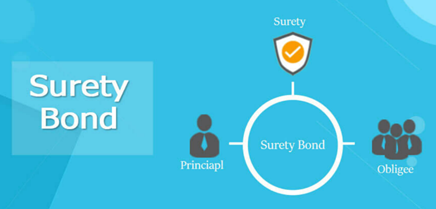
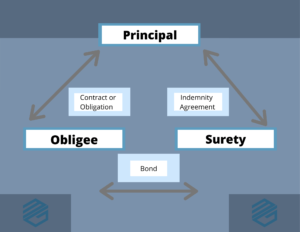
 Surety bonds are contractual agreements involving three parties: the principal, the obligee, and the surety. The principal is the party that needs the bond, the obligee is the entity requiring the bond (often a government body or a project owner), and the surety is the company that issues the bond and guarantees the obligations of the principal. This tripartite relationship is designed to protect the obligee against potential losses that might occur if the principal fails to perform as agreed. By understanding these roles, applicants can better navigate the complexities of securing a bond.
 Networking is another effective way to build a reputation. Attending industry events, joining professional organizations, and engaging in community projects can help contractors connect with potential clients and other professionals in the field. By being visible and active in the community, contractors can create opportunities for collaboration and referrals.
How can I improve my pricing strategy?
Improving your pricing strategy involves continuous education, utilizing technology, and analyzing past project data. Collaborating with your team to develop a systematic approach can also enhance your pricing accuracy.
 Leveraging Technology for Business Growth
 In today's digital age, leveraging technology can give contractors a competitive advantage in securing larger jobs. To compare approaches, take a look at performance and payment bonds for a quick breakdown of the essentials. Utilizing project management software can enhance efficiency by streamlining operations, improving communication, and tracking progress. Additionally, adopting marketing strategies that include a strong online presence can help contractors reach a broader audience.