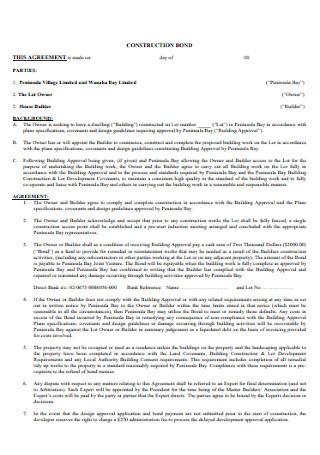
When applying for a construction bond, it’s vital to prepare all necessary documentation meticulously. This typically includes financial statements, tax returns, and evidence of previous projects you’ve completed. The surety company will scrutinize these documents to gauge your financial health and experience.
Contractors with strong financial backgrounds and good credit scores are likely to secure lower premiums, while those with weaker financial profiles may face higher costs. Additionally, the nature of the project also plays a role—higher-risk projects may incur higher bonding fees due to the perceived risk associated with them. Understanding these cost factors is crucial for contractors when budgeting for projects, as surety bond costs can significantly impact overall project expenses.
 Understanding Regulatory Requirements
 Navigating the regulatory landscape is crucial for contractors engaged in bonded construction. Each state may have different requirements regarding bonding, and it is essential to stay informed about these regulations. Understanding the specific criteria needed to obtain and maintain bonds can prevent potential issues that may arise during projects.
The amount of a performance bond typically reflects a percentage of the total contract value, often ranging from 10% to 100%. This percentage varies depending on the project size, complexity, and the contractor's experience. The surety conducts a thorough evaluation of the contractor’s financial stability and past performance before issuing a bond, ensuring that only qualified contractors are bonded. This process helps safeguard project owners and promotes accountability within the construction industry.
In many jurisdictions, payment bonds are required by law, especially for public construction projects. This requirement underscores the importance of protecting all parties involved in a project. Contractors should be aware of the legal implications of payment bonds and ensure they are adequately covered to avoid disputes and project delays. Understanding the nuances of payment bonds can help contractors manage their financial responsibilities effectively while fostering trust among subcontractors and suppliers.
Moreover, the procurement of construction bonds often requires contractors to undergo a thorough underwriting process. This evaluation can involve assessing the contractor's financial health, experience, and past performance on similar projects. The underwriting process ensures that only qualified contractors can secure bonds, ultimately reducing the risk of project delays or failures. Consequently, having a strong financial standing and a proven track record can greatly enhance a contractor’s ability to obtain the necessary bonds.
After submitting the application, the surety will conduct a thorough evaluation, which may include checking the contractor's credit history and reviewing their past project performance. It's essential for contractors to be prepared and present a strong case for their reliability and capability. To facilitate this process, maintaining organized documentation and demonstrating a solid financial background can significantly improve the chances of securing the bond.
Training and Development for Bonded Contractors
Investing in training and development for staff is essential for contractors involved in bonded work. Continuous education on safety protocols, regulatory changes, and project management techniques can help maintain a high standard of work. Additionally, training programs can foster a culture of excellence and accountability within the organization.
Bond Type
Description
Typical Use Cases
Performance Bond
Guarantees project completion according to contract specifications.
Public works contracts, large construction projects.
Payment Bond
Ensures subcontractors and suppliers are paid for their work.
Construction projects with multiple subcontractors.
Bid Bond
Protects project owners if the contractor fails to honor their bid.
Competitive bidding processes.
Maintenance Bond
Covers repairs needed after project completion.
Long-term projects requiring maintenance assurance.
Bid Bonds: Securing the Bidding Process
Bid bonds play a critical role in the bidding process for construction projects. When contractors submit a bid, they often include a bid bond to demonstrate their commitment to the project. This bond assures the project owner that the contractor will accept the contract if selected. If the contractor fails to honor their bid, the surety will compensate the project owner for any financial losses incurred during the bidding process, typically up to the amount of the bond.
 Obtaining a surety bond requires subcontractors to demonstrate their financial stability and reliability. This often involves submitting financial statements, credit history, and details about past projects to the surety company. The underwriting process can be rigorous, but it is essential for ensuring that only qualified subcontractors can secure bonds. By understanding the underlying requirements, subcontractors can prepare themselves effectively for the bonding process.
 If you have any concerns relating to in which and how to use contractor surety bonds, you can speak to us at our page.