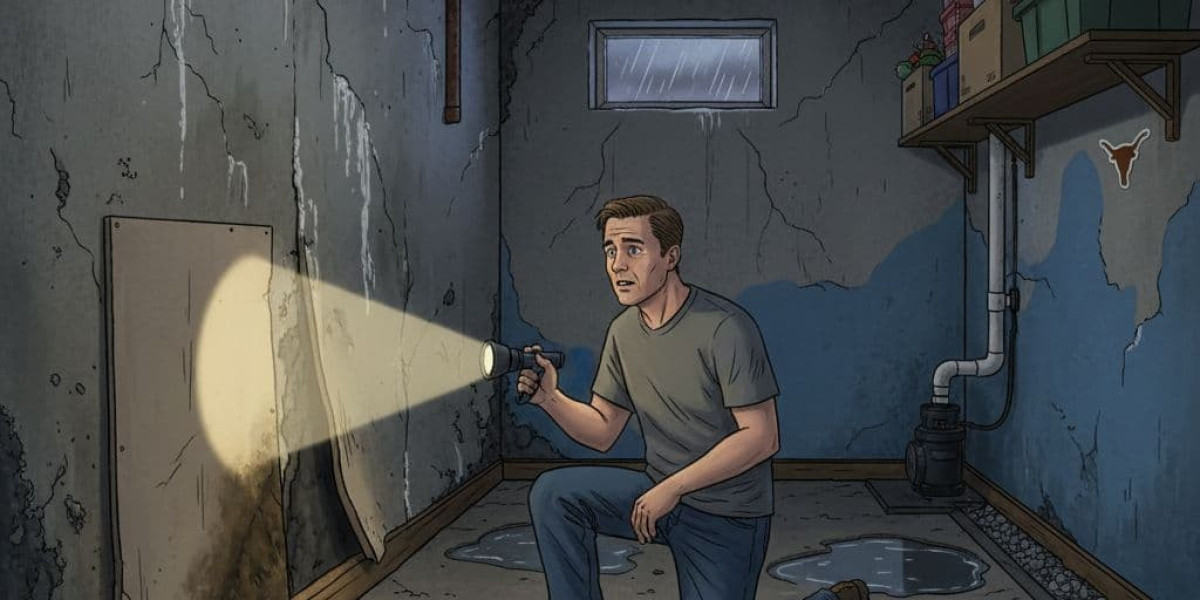

Dallas homes deal with sudden storms, clay-heavy soil, and fast swings between dry heat and heavy rain. That mix can push water toward your foundation and into lower areas of the home. If you have noticed damp smells, wall stains, or humidity that will not go away, it may be time to take action with Waterproofing Services Dallas. Early waterproofing can stop leaks before they turn into expensive repairs.
Many homeowners assume waterproofing only matters after a major flood. In reality, most serious damage starts with small, repeated moisture problems. Water moves slowly through cracks, porous concrete, and weak seams. Over time, that moisture can lead to mold, rotting wood, damaged drywall, and even foundation issues. The good news is that you can often spot the warning signs early, and the right fix can protect your home long term.
Why Dallas homes are prone to moisture problems
Dallas soil often contains a lot of clay. Clay expands when it absorbs water and shrinks when it dries out. This constant movement puts stress on foundations and creates small gaps where water can enter. Add heavy rain, poor drainage, or clogged gutters, and moisture finds an easy path toward your home.
Also, many homes have areas that sit low, such as basements (in some neighborhoods), crawl spaces, and slab edges. Even if you do not have a basement, water can still come through the slab, seep into walls, or collect in a crawl space. Moisture may show up in a guest room, a garage, or a storage area long before you see standing water.
Common early signs of a basement or lower-level water issue
You do not need a flood to have a waterproofing problem. Watch for these early clues:
1) Musty odors that return quickly
A musty smell often means moisture is trapped in a hidden area. You might notice it after rain or when the AC is running. If the odor comes back even after cleaning, the source is likely still active.
2) Damp air and indoor humidity
If your lower level feels humid compared to the rest of the home, moisture may be getting in through walls or floors. High humidity can cause discomfort and make cooling costs rise. It also creates a better environment for mold.
3) Water stains and discoloration
Brown or yellow stains on walls, baseboards, or ceilings can mean water is traveling behind drywall. Stains may appear as rings, streaks, or patches.
4) Efflorescence on concrete or brick
Efflorescence looks like a white, chalky powder. It forms when water moves through masonry and leaves mineral salts behind. It is a strong signal that moisture is passing through the wall.
5) Peeling paint or bubbling drywall
When water sits behind painted surfaces, it can cause bubbling, cracking, or peeling. In basements and garages, this is very common and often gets worse over time.
6) Warped flooring or loose tiles
Moisture under flooring can cause wood to swell and tile adhesive to weaken. Even small leaks can lead to large flooring repairs if they are ignored.
7) Visible cracks in foundation walls or along slab edges
Some cracks are normal, but cracks that widen, branch, or appear in multiple areas can become entry points for water. If you see cracks along with moisture, you should treat it as a warning.
Where the water usually comes from
Water does not appear out of nowhere. Here are the most common sources:
Poor drainage near the foundation
If the yard slopes toward the home, water collects near the base of the walls. This raises hydrostatic pressure, which pushes moisture through tiny openings in concrete.
Gutter and downspout problems
Clogged gutters overflow. Short downspouts dump water close to the home. During storms, that water can soak into the soil right against the foundation.
Cracks and gaps in the foundation
Concrete is strong, but it is not waterproof by itself. Small cracks, expansion joints, and utility penetrations can become leak points.
Porous block walls and aging sealants
Older masonry and worn-out coatings allow moisture to pass through. Even if the wall does not drip, it can stay damp and feed mold growth.
Crawl space moisture
Crawl spaces often trap humidity. Ground moisture rises, condenses, and spreads into insulation and wood framing. This can affect indoor air quality throughout the house.
What waterproofing can actually do (and what it should include)
A proper waterproofing plan is not just “seal the crack and hope.” The best solutions control water at the source and reduce pressure around the foundation. Depending on your home, waterproofing may include:
Exterior drainage improvements
This can include grading, extending downspouts, adding drain lines, or improving how water moves away from the foundation.
Crack repair and joint sealing
Professional crack repair targets the exact leak path. It also helps prevent the crack from becoming a larger structural issue.
Interior drainage systems (when needed)
In some cases, an interior drain system can collect water and move it safely to a sump pump. This is common when water pressure is high or exterior access is limited.
Sump pump installation or replacement
A sump pump is a safety system. If you have one, it should be sized correctly and maintained. A backup system may be worth considering if storms often cause power issues.
Crawl space sealing and vapor barriers
A sealed crawl space with the right vapor barrier can cut moisture and improve air quality. It also helps protect wood framing from long-term decay.
Water-resistant coatings and membranes
Coatings can help, but they work best as part of a full plan. A coating alone may not stop water if drainage and pressure are not addressed.
Simple steps you can take right now
Before you call a pro, do a quick check after the next rain:
- Walk the perimeter of your home and look for pooling water.
- Check gutters and make sure downspouts push water several feet away.
- Look at lower walls inside for stains or peeling paint.
- Sniff for musty odors near closets, corners, and storage areas.
- Take photos of cracks and mark dates so you can track changes.
If you see repeat moisture or any sign of mold, do not wait. Moisture problems rarely fix themselves. They usually spread.
When it is time to call a professional
Call for an inspection if:
- You see stains that keep returning.
- You smell musty odors that do not go away.
- You notice efflorescence on concrete walls.
- Your flooring is warping or baseboards feel damp.
- Water appears after storms, even if it dries later.
A professional assessment helps you avoid guessing. It can also prevent you from spending money on the wrong fix, like painting over stains or running a dehumidifier without addressing the leak source.
Waterproofing is about protecting your home’s structure and your indoor air. In Dallas, where storms and soil movement are common, prevention is often cheaper than repair. call Patel Builders