
Introduction to Denim Tears
Denim Tears isn’t just another streetwear brand competing for attention in an already crowded market. It’s a cultural statement stitched into fabric, a walking conversation about history, identity, and expression. When you see someone wearing Denim Tears, you’re not just looking at a pair of jeans or a hoodie — you’re witnessing a story being told in cotton threads. And that’s exactly what makes this brand different.
Streetwear has always been about more than clothes. It’s about rebellion, creativity, and belonging. But Denim Tears takes it one step further. It transforms garments into historical commentary. Instead of chasing trends, it challenges narratives. Instead of selling just aesthetics, it sells awareness. That’s a bold move in an industry often driven by hype cycles and fast fashion.
So why does Denim Tears stand out? Because it forces you to think. The designs aren’t random graphics or catchy slogans. They’re deeply rooted in African American history, particularly the legacy of cotton in America. Cotton isn’t just fabric — it represents centuries of pain, resilience, and survival. By reclaiming this symbol, Denim Tears flips the narrative. What was once associated with oppression becomes a symbol of pride and remembrance.
And here’s the thing: it doesn’t feel preachy. It feels powerful. You can wear it casually, but the meaning runs deep. That balance between style and substance is rare. In a world where fashion often prioritizes appearance over meaning, Denim Tears proves you can have both. It’s raw. It’s intentional. And it’s unapologetic. That’s why people aren’t just buying Denim Tears — they’re investing in a message.
The Founder: Tremaine Emory
Behind every revolutionary brand, there’s a visionary. For Denim Tears, that visionary is Tremaine Emory. If you’ve followed fashion over the past decade, you’ve probably heard his name whispered in influential circles long before the mainstream caught on. Emory isn’t just a designer — he’s a cultural architect.
Before launching Denim Tears, Tremaine Emory built a reputation working alongside some of the most respected names in fashion and music. He’s collaborated with Virgil Abloh, Kanye West, Frank Ocean, and countless other creative powerhouses. But here’s what separates him from many industry insiders: he never lost sight of storytelling.
Emory understood something crucial — fashion has the power to shape narratives. And for too long, the stories of Black Americans were either ignored or commercialized without context. Denim Tears became his way of reclaiming that narrative.
What’s fascinating about Emory is that he doesn’t approach fashion purely from a design standpoint. He approaches it intellectually. Every collection feels like research turned into art. He studies history, culture, and social dynamics, then translates them into wearable pieces. It’s almost academic — but in the coolest way possible.
His influence in the fashion industry extends beyond Denim Tears. Emory has held creative leadership roles in major fashion houses, proving that his vision resonates on both street and luxury levels. That duality is powerful. He can sit at the table with high fashion executives while still speaking directly to the streets.
And maybe that’s the magic. Tremaine Emory doesn’t design for approval. He designs for impact. Denim Tears isn’t about fitting into fashion’s existing structure — it’s about reshaping it. When you wear Denim Tears, you’re wearing Tremaine Emory’s perspective. And that perspective is fearless.
The Cultural Significance of Denim Tears
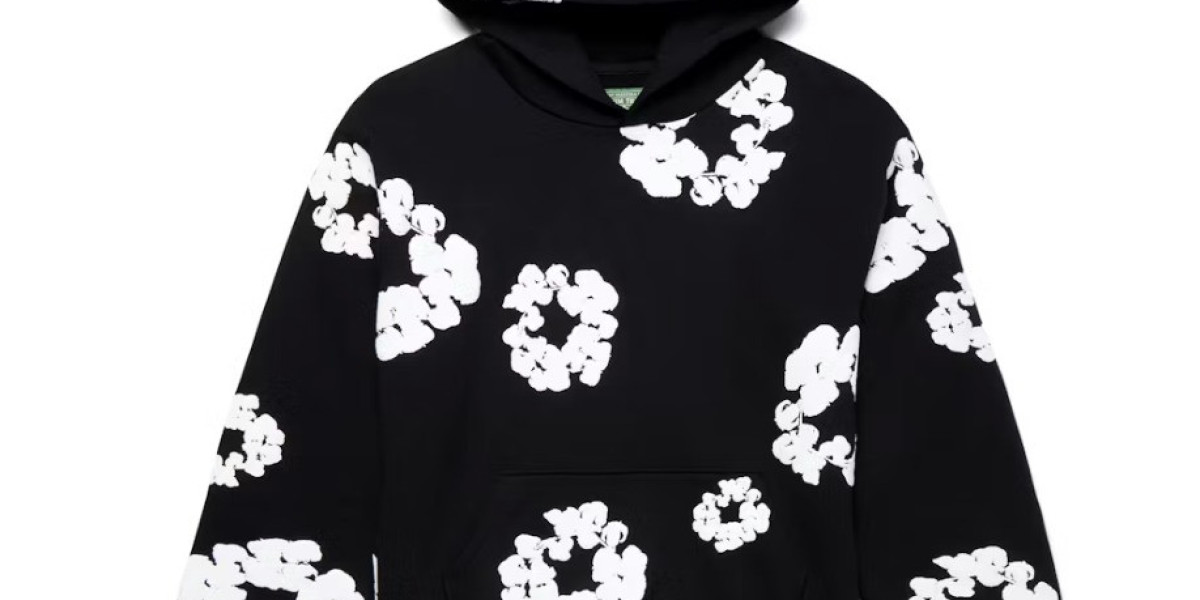
Let’s talk about symbolism. Because if you strip Denim Tears down to its core, that’s what you’ll find — symbolism layered into every seam. The most recognizable motif from the brand is the cotton wreath. Denim Tears Hoodie At first glance, it looks simple. Almost decorative. But the meaning behind it is heavy. Cotton is one of the most loaded materials in American history. It represents forced labor, slavery, and generational trauma. So why would a brand choose that as its central image? Because reclaiming a symbol is powerful.
Denim Tears takes cotton — once a symbol of exploitation — and turns it into a badge of remembrance and resilience. The cotton wreath isn’t about glorifying pain. It’s about acknowledging it. It says, “We remember.” And in remembering, there’s strength.
Fashion rarely dives this deep. Most brands focus on trends, seasonal colors, and silhouettes. Denim Tears focuses on narrative. It treats clothing like a history book you can wear. But instead of reading pages, you read patches, prints, and embroidery. This storytelling approach resonates strongly in today’s cultural climate. Consumers aren’t just looking for something cool to wear. They’re looking for meaning. They want brands that stand for something. Denim Tears doesn’t whisper its message — it declares it boldly.
And yet, it’s still stylish. That’s the brilliance. The pieces are wearable. The designs are clean. The cotton wreath pattern across denim jeans or hoodies feels modern, not costume-like. It integrates seamlessly into streetwear culture while carrying deep historical weight. Think about that for a second. How many brands can balance activism and aesthetics without feeling forced? Denim Tears can. It turns clothing into dialogue. And every time someone asks about that cotton wreath, a conversation begins.
Denim Tears and African American History
Denim Tears isn’t subtle about its connection to African American history. In fact, it leans into it fully. And that boldness is exactly what makes it so impactful. The brand’s early collections centered around the 400-year anniversary of slavery in America. That wasn’t random. It was intentional. Tremaine Emory used fashion as a way to mark that historical milestone — not with a textbook or lecture, but with denim.
Denim itself is symbolic. It’s considered classic American workwear. Cowboys wore it. Laborers wore it. It represents rugged American identity. But when paired with cotton imagery, it becomes layered with deeper meaning. The same material that built America economically also represents one of its darkest chapters. Denim Tears doesn’t shy away from that contradiction. It highlights it.
This is where the brand becomes more than fashion — it becomes social commentary. It asks uncomfortable questions. Who benefited from cotton production? Who paid the price? And how do we carry that legacy today? But here’s the thing: it doesn’t dwell in victimhood. It emphasizes resilience. The collections often feel like tributes — honoring ancestors, acknowledging struggle, and celebrating survival.
There’s something powerful about wearing a piece of clothing that represents history. It turns everyday fashion into remembrance. It transforms style into substance. And in a society where historical narratives are often debated or diluted, Denim Tears stands firm. It doesn’t water down its message to be commercially safe. It stays authentic.
That authenticity is why the brand resonates so strongly, especially among younger generations who crave truth and transparency. Denim Tears proves that fashion can educate without lecturing. It can empower without shouting. It can remember without being stuck in the past. It’s history — reimagined through design. Shop Now