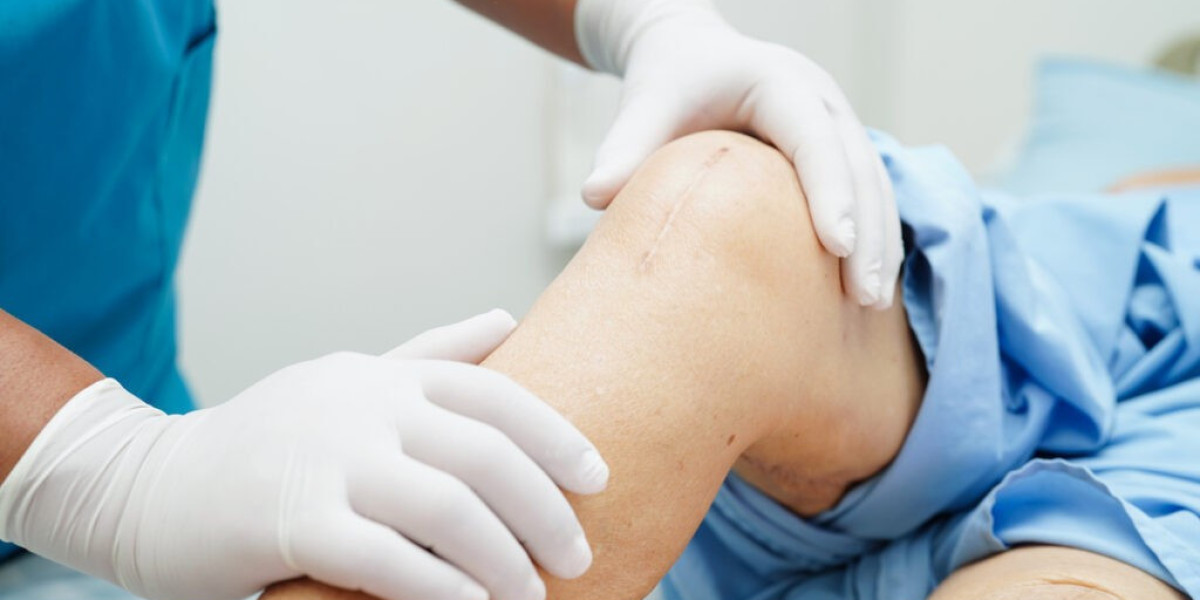

Knee replacement surgery is one of the most successful orthopedic procedures available today. It is designed to relieve chronic knee pain, restore mobility, and improve the quality of life for individuals suffering from severe joint damage. Whether knee problems are caused by arthritis, injury, or age-related wear and tear, modern surgical techniques have made knee replacement safer and more effective than ever. Thousands of patients undergo this procedure every year and return to active, pain-free lifestyles after proper recovery and rehabilitation.
Advancements in orthopedic care have transformed knee replacement into a highly personalized treatment. Surgeons now use modern implants, minimally invasive techniques, and advanced rehabilitation programs to achieve excellent long-term outcomes. Many people consider Knee replacement in Islamabad because experienced orthopedic specialists provide comprehensive evaluations and customized treatment plans based on each patient's condition, lifestyle, and mobility goals.
What Is Knee Replacement Surgery?:
Knee replacement surgery, also known as knee arthroplasty, involves removing damaged cartilage and bone from the knee joint and replacing them with artificial components made from durable metal, ceramic, or medical-grade plastic.
The artificial joint is designed to:
- Reduce chronic pain
- Restore joint function
- Improve mobility
- Correct deformities
- Enhance overall quality of life
The surgery is recommended when conservative treatments such as medication, physiotherapy, and injections no longer provide adequate relief.
Who Needs Knee Replacement?:
Not every patient with knee pain requires surgery. Doctors usually recommend knee replacement when knee damage becomes severe enough to interfere with daily activities.
Common candidates include people with:
- Advanced osteoarthritis
- Rheumatoid arthritis
- Post-traumatic arthritis
- Severe cartilage damage
- Persistent knee pain
- Limited joint movement
- Difficulty walking or climbing stairs
A detailed orthopedic assessment helps determine whether surgery is the best option.
Types of Knee Replacement Surgery:
Depending on the extent of joint damage, surgeons may recommend different types of knee replacement procedures.
The primary options include:
- Total Knee Replacement (TKR)
- Partial Knee Replacement (PKR)
- Bilateral Knee Replacement
- Revision Knee Replacement
Each procedure has its own advantages and is selected according to the patient's medical condition and activity level.
Benefits of Knee Replacement Surgery:
Modern knee replacement surgery offers significant improvements in both physical function and overall well-being.
Some major benefits include:
- Long-term pain relief
- Improved joint movement
- Better walking ability
- Increased independence
- Enhanced quality of life
- Improved sleep due to reduced pain
Most patients notice substantial improvements once rehabilitation is completed.
Modern Surgical Techniques:
Orthopedic technology has advanced considerably in recent years, making knee replacement procedures more accurate and less invasive.
Modern techniques include:
- Minimally invasive surgery
- Computer-assisted navigation
- Robotic-assisted knee replacement
- Customized surgical planning
- Enhanced pain management protocols
These innovations reduce tissue damage, improve implant positioning, and promote faster recovery.
Preparing for Knee Replacement:
Preparation plays an important role in achieving successful surgical outcomes. Before surgery, patients undergo a thorough medical evaluation.
Preparation typically includes:
- Physical examination
- Blood tests
- Imaging studies
- Medication review
- Lifestyle counseling
- Preoperative physiotherapy
Following preoperative instructions helps reduce complications and improve recovery.
What Happens During Surgery?:
Knee replacement surgery is performed under regional or general anesthesia. The damaged joint surfaces are carefully removed and replaced with artificial components that recreate smooth joint movement.
The procedure generally involves:
- Removing damaged cartilage
- Preparing the bone surfaces
- Positioning the implant
- Testing joint movement
- Closing the surgical incision
The operation usually takes one to two hours depending on the complexity of the case.
Recovery After Knee Replacement:
Recovery begins immediately after surgery. Patients are encouraged to start moving the knee with the guidance of physiotherapists to promote healing and restore function.
Recovery usually includes:
- Pain management
- Walking assistance
- Physical therapy
- Strengthening exercises
- Balance training
- Routine follow-up visits
Most individuals resume many daily activities within several weeks, although full recovery may take several months.
Risks and Possible Complications:
Although knee replacement is considered a safe procedure, every surgery carries some degree of risk.
Potential complications include:
- Infection
- Blood clots
- Implant loosening
- Joint stiffness
- Nerve injury
- Persistent swelling
Choosing an experienced orthopedic surgeon and following rehabilitation guidelines significantly reduce these risks.
Caring for Your New Knee:
After recovery, patients can enjoy a much more active lifestyle. However, maintaining the artificial joint requires healthy habits.
Recommended lifestyle practices include:
- Maintaining a healthy weight
- Regular low-impact exercise
- Avoiding excessive strain
- Following physiotherapy advice
- Attending routine medical check-ups
These habits help extend the lifespan of the knee implant and maintain long-term mobility.
Choosing the Right Hospital:
Selecting the right healthcare provider is one of the most important decisions before undergoing knee replacement surgery. An experienced orthopedic team, advanced surgical facilities, and comprehensive rehabilitation services all contribute to successful outcomes.
A trusted hospital provides:
- Accurate diagnosis
- Experienced orthopedic surgeons
- Advanced surgical technology
- Personalized treatment plans
- Comprehensive rehabilitation support
Receiving treatment from qualified professionals improves both safety and long-term results.
Final Thoughts:
Knee replacement surgery has transformed the lives of countless individuals living with chronic knee pain and limited mobility. With modern surgical techniques, advanced implants, and structured rehabilitation programs, patients can regain independence and enjoy a more active lifestyle. While every patient’s journey is unique, proper preparation, expert surgical care, and consistent rehabilitation are the keys to achieving the best possible outcome. If you are considering knee replacement surgery, consult jj medics hospital for expert orthopedic care, personalized treatment plans, and comprehensive support throughout your recovery journey.