
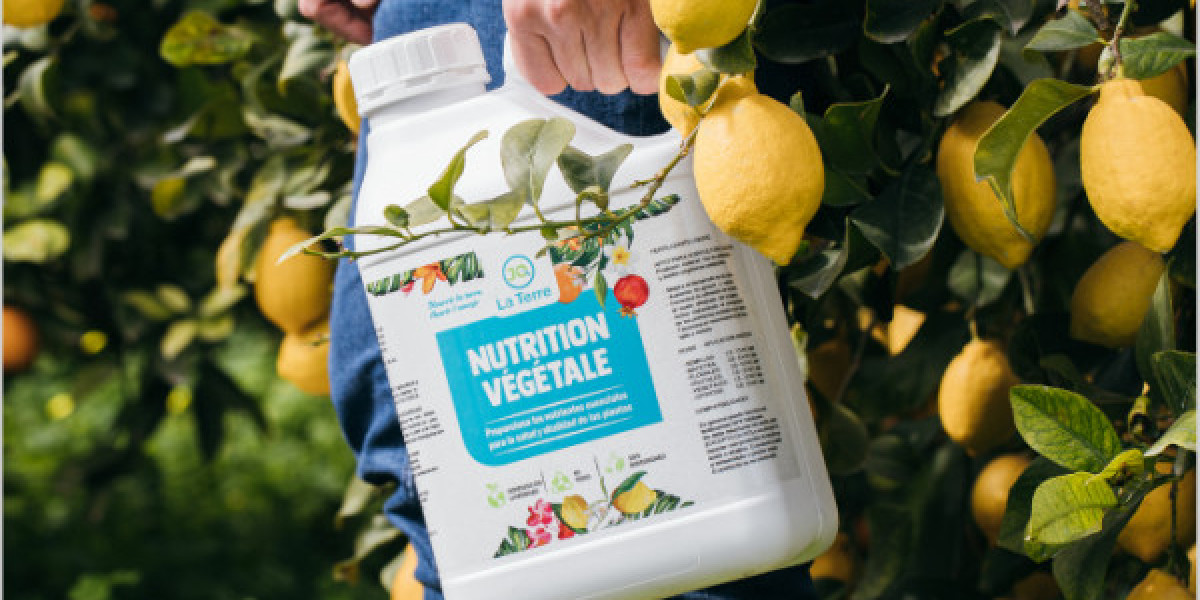

Modern farming is changing fast, and growers are looking for better ways to support plant growth without putting extra pressure on soil and the environment. One solution that has gained attention is biostimulants. Many farmers today Buy biostimulants for crops to improve plant growth, nutrient use, and stress tolerance. These products are not fertilizers, but they work alongside fertilizers to help crops use nutrients more effectively and grow in a healthier way. Understanding how different biostimulants work can help farmers make better decisions in the field.
What Biostimulants Mean in Crop Production
Biostimulants are natural or biological substances that improve plant growth processes. They do not directly provide nutrients like fertilizers do. Instead, they help plants use nutrients more efficiently, develop stronger roots, and handle stress from heat, drought, or poor soil conditions.
Farmers use biostimulants as part of a wider crop management plan. The idea is simple: support the plant’s natural functions so it can perform better with the resources already available in the soil. This makes them useful in both traditional and modern farming systems.
How Biostimulants Work in the Soil and Plant System
Biostimulants interact with plants in different ways depending on their source and composition. Some improve soil microbial activity, while others directly influence plant metabolism.
When applied to soil or leaves, they can stimulate root growth, improve nutrient uptake, and support photosynthesis. This does not replace fertilizers but enhances how plants respond to them. In many cases, crops show better growth even under stressful conditions such as limited water or poor soil fertility.
Farmers often notice more uniform plant growth and improved crop vigor when biostimulants are used correctly and consistently.
Natural Extract-Based Biostimulants
One of the most common types of biostimulants comes from natural plant or seaweed extracts. These are widely used because they contain organic compounds that support plant growth.
Seaweed-based biostimulants are especially popular. They contain natural hormones, amino acids, and micronutrients that help plants grow stronger roots and improve stress resistance. Plant extract biostimulants are often used during early growth stages or transplanting to help crops establish faster.
These products are usually applied as foliar sprays or soil drenches. Farmers prefer them because they are easy to use and work well with different crop types.
Humic and Fulvic Acid Biostimulants
Humic and fulvic acids are another important category. They come from decomposed organic matter in soil, such as compost or ancient plant material.
Humic substances improve soil structure and help retain nutrients in the root zone. Fulvic acid, on the other hand, helps transport nutrients into plant cells more efficiently. Together, they support better nutrient uptake and root development.
In many farming systems, these biostimulants are used to improve soil fertility over time. They are especially helpful in soils that are low in organic matter or have poor nutrient retention.
Amino Acid-Based Biostimulants
Amino acids are Buy biostimulants for crops building blocks of proteins, and they play an important role in plant growth. Amino acid-based biostimulants are produced from natural sources such as plant proteins or fermentation processes.
These products help plants recover from stress and improve overall metabolism. When crops face heat, drought, or transplant shock, amino acid biostimulants can support faster recovery.
They also help improve chlorophyll production, which supports better photosynthesis. As a result, plants often appear greener and more active after application.
Microbial Biostimulants and Beneficial Bacteria
Microbial biostimulants contain beneficial bacteria and fungi that support plant growth. These microorganisms live in the soil and form a relationship with plant roots.
Some bacteria help fix nitrogen from the air, making it available to plants. Others help break down organic matter and release nutrients in a form plants can absorb. Mycorrhizal fungi are also commonly used because they extend the root system and improve nutrient and water absorption.
Farmers use microbial biostimulants to improve soil health and create a more active soil environment. Over time, these beneficial microbes can improve soil structure and productivity.
Protein Hydrolysates and Their Role
Protein hydrolysates are made by breaking down proteins into smaller compounds such as peptides and amino acids. These products are widely used in agriculture because they support plant metabolism and growth.
They help crops absorb nutrients more effectively and improve resistance to environmental stress. Protein hydrolysates are often used during critical growth stages when plants need extra support.
Farmers apply them to improve yield quality and overall crop performance, especially in high-value crops such as vegetables and fruits.
Algae-Based Biostimulants in Modern Farming
Algae-based products are gaining popularity in agriculture because they contain a wide range of natural growth-promoting compounds. These include plant hormones, trace minerals, and organic substances that support plant development.
They help improve root growth, increase nutrient uptake, and enhance plant resistance to stress conditions like drought or salinity. Algae-based biostimulants are often used in combination with fertilizers to improve overall crop response.
Their natural origin makes them suitable for farmers who are looking for more environmentally friendly farming practices.
Improving Nutrient Efficiency with Biostimulants
One of the main benefits of biostimulants is better nutrient use efficiency. Plants do not always absorb all nutrients applied through fertilizers. Some nutrients get locked in the soil or lost through leaching.
Biostimulants help reduce this loss by improving how plants absorb and use nutrients. This means crops can grow better with the same or even reduced fertilizer input.
This does not replace fertilizers but supports more efficient farming practices that reduce waste and improve productivity.
Role in Stress Management for Crops
Farmers often deal with unpredictable weather conditions. Heat waves, drought, and salinity can affect crop growth and reduce yield.
Biostimulants help plants cope with these stresses by improving internal plant processes. Some support water retention, while others strengthen root systems or activate stress-response mechanisms.
This makes crops more stable under changing conditions and reduces the risk of sudden yield loss.
Combining Biostimulants with Regular Farming Practices
Biostimulants work best when used alongside proper farming practices. Good irrigation, balanced fertilization, and soil management all play a role in crop success.
Farmers often combine biostimulants with fertilizer programs to improve results. For example, applying them during early growth stages can help plants establish faster, while applications during flowering can support better yield formation.
Timing and correct usage are important. When used properly, biostimulants can become a useful part of a complete crop management system.
Challenges Farmers May Face
Even though biostimulants offer many benefits, they are not a simple solution for every farming problem. Results can vary depending on soil type, crop condition, and application method.
Some farmers may not see immediate effects, especially if soil health is already poor or if other farming practices are not balanced. Understanding product types and using them correctly is important for getting consistent results.
Education and field experience play a big role in successful use.
FAQs
What are biostimulants used for in agriculture?
Biostimulants are used to improve plant growth, nutrient uptake, and stress tolerance. They support natural plant processes rather than directly providing nutrients.
Are biostimulants the same as fertilizers?
No, biostimulants are different from fertilizers. Fertilizers supply nutrients directly, while biostimulants help plants use those nutrients more efficiently.
Can biostimulants improve crop yield?
Yes, in many cases they can support better growth and improve yield by enhancing nutrient use, root development, and plant health.
Are biostimulants safe for soil and crops?
Most biostimulants are made from natural or biological materials and are generally considered safe when used according to guidelines.
When should biostimulants be applied?
Application timing depends on the product and crop stage. They are commonly used during early growth, transplanting, or stress conditions for better results.
Conclusion
Biostimulants are becoming an important part of modern farming because they support plant growth in a natural and effective way. From seaweed extracts to microbial solutions, each type plays a different role in improving crop performance. When used correctly, they help plants use nutrients better, handle stress more easily, and grow in a healthier way. While they are not a replacement for fertilizers or good farming practices, they can support better results when included in a balanced crop management plan. For farmers looking to improve productivity while maintaining soil health, biostimulants offer a practical and useful option.






