
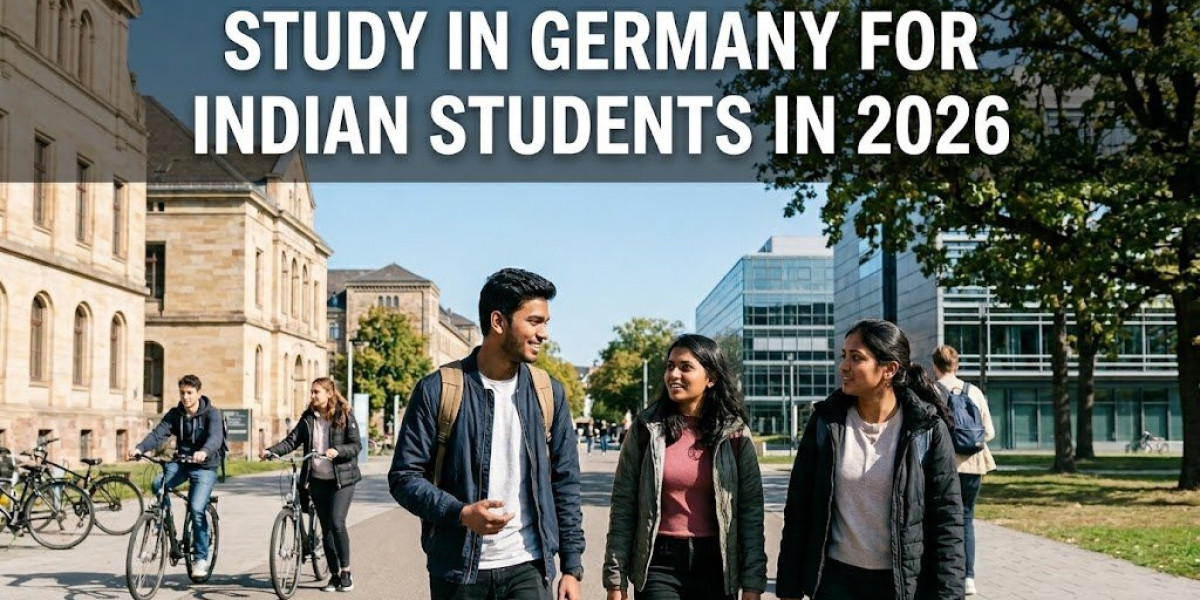

Want a foreign degree without a crushing tuition bill? That's a big reason so many students from India want to study in Germany in 2026.
You get respected universities, lower costs than many other countries, and real job potential after graduation. If you're a 12th-pass student, a bachelor's applicant, or planning a master's, this guide clears up the parts that usually feel messy. If you want extra help while planning, these student visa consultants for Germany can support your next steps.
Let's start with the points that matter most.
Key Takeaways For Studying In Germany In 2026
Many public universities charge low tuition or no tuition, but you still pay semester fees and living costs.
German degrees carry strong value in engineering, IT, business, research, and applied sciences.
Scholarships can reduce your budget, but you need a solid profile and early applications.
Plenty of master's programs, and some bachelor's programs, are taught in English.
Part-time work and internships can strengthen your resume while you study.
Indian students choose Germany for affordability, quality, safety, and better long-term career options.
Why Study In Germany Is A Smart Choice For Indian Students In 2026
Germany gives you something rare, quality and value in the same place. You don't have to pick between a strong degree and a workable budget.
Affordable education without giving up quality
This is the first big reason students look at Germany. Many public universities in Germany charge little or no tuition, especially compared with the UK, US, or Australia.
That doesn't mean everything is cheap. You still need money for rent, food, insurance, and semester contributions. But affordable doesn't mean weak. German public institutions are known for serious academics, strong labs, and industry-backed teaching.
Strong universities and real career value
A good university in Germany can open doors in India and abroad. Employers know names like TUM, RWTH Aachen, and Heidelberg, but they also respect solid course outcomes and hands-on training.
Germany is especially strong for engineering, IT, manufacturing, data science, business analytics, and research-heavy programs. If your goal is career value, not only a degree certificate, Germany makes sense.
English-taught programs make the move easier
A lot of international students worry about language first. That's fair. The good news is that many master's programs, and a smaller number of bachelor's programs, are available in English.
Still, basic German helps more than students expect. It makes daily life easier. It also helps with internships, part-time work, and post-study jobs.
How The German Education System Works For You
The Germany education system is not one-size-fits-all. That's good for you, because different institutions fit different goals.
Universities, universities of applied sciences, and technical universities
Traditional universities focus more on theory, research, and academic depth. They're a strong fit if you want research, a PhD path, or a subject-heavy master's.
Universities of applied sciences are more practical. They often connect better with internships and industry projects. Technical universities are a top choice if you're aiming for engineering, technology, or advanced technical study.
How to choose the right course and university
Don't choose only by ranking. Look at the course structure, city, internship options, intake, tuition rules, and how graduates move into jobs.
Choosing the right university in Germany depends on your course, career goals, and eligibility. That one decision shapes almost everything after it.
Top Universities In Germany For Indian Students
Fees can change by program, state, and student status, so treat these as general ranges, not fixed numbers.
University Name | Popular Courses | Average Fees | Location |
Technical University of Munich | Engineering, Computer Science, Management | Higher non-EU tuition in many programs, plus semester fee | Munich |
Heidelberg University | Medicine, Life Sciences, AI, Humanities | About EUR 1,500 per semester for many non-EU students, plus contribution | Heidelberg |
RWTH Aachen University | Mechanical, Electrical, Computer Science | Usually no tuition, semester fee only | Aachen |
University of Stuttgart | Automotive, Engineering, Architecture | About EUR 1,500 per semester for many non-EU students, plus contribution | Stuttgart |
University of Hamburg | Economics, Climate Science, Law, IT | Usually no tuition, semester fee only | Hamburg |
The best university in Germany for you is the one that matches your profile and career plan, not only the one with the biggest name.
Requirements To Study In Germany From India
The Germany admission process feels hard when you look at ten websites at once. It gets simpler when you break it into academics, language, and documents.
Academic eligibility for bachelor's and master's programs
For bachelor's admission after 12th, Indian students may need more than school marks alone. Depending on your board and the university, you may need a recognized pathway, a foundation route, or prior higher study.
For master's admission, you usually need a relevant bachelor's degree, decent grades, and subject match. Some programs want specific credits, work experience, or portfolio work. Rules can change from one university to another.
Language scores you may need
If your course is in English, universities often ask for IELTS or TOEFL. Many students target IELTS because it's widely accepted. If you're preparing for English tests, score planning should start early.
If your program is in German, you'll need German language proof, often at B1, B2, or C1 level, depending on the course. Some programs may ask for English and German, especially if the curriculum or internship mix requires both.
Documents you should keep ready
Keep these ready before you apply:
Passport
Academic transcripts and certificates
Degree certificate, if you already graduated
Statement of purpose
Letters of recommendation
Resume or CV
IELTS, TOEFL, or German score report
APS certificate, where required
Proof of funds
Admission or offer letter for the visa stage
Cost Of Studying In Germany For Indian Students In 2026
The cost of studying in Germany depends on your city, housing style, and university type. Public tuition can be low, but living costs still decide your real budget.
Expense | Typical Cost |
Tuition and semester charges | Often no tuition at many public universities, but semester fees of about around EUR 150 to EUR 350; some states or programs charge more |
Accommodation | Around EUR 350 to EUR 700 per month |
Food | Around EUR 150 to EUR 250 per month |
Health insurance | Around EUR 110 to EUR 130 per month |
Transport | Around EUR 30 to EUR 70 per month |
Personal expenses | Around EUR 100 to EUR 200 per month |
A realistic student budget often lands around EUR 850 to EUR 1,300 per month. Cities like Munich cost more than places like Aachen or smaller student towns.
Tuition fees, semester charges, and public university costs
Tuition and semester contribution are not the same thing. Tuition is what you pay for the course. The semester contribution usually covers admin fees and, in some cases, student services or local transport.
Monthly living expenses you should budget for
Housing is usually your biggest cost. Student dorms can help, but seats are limited. Food, insurance, and daily spending add up faster than most students expect, so plan for the full year, not only the first month.
Scholarships In Germany That Can Reduce Your Study Cost
Choosing the right scholarships in Germany can significantly reduce your study expenses. The catch is simple, you need to apply smart, not late.
DAAD scholarships and other government funding
DAAD is one of the best-known options for international students. It is especially useful for master's, research, and doctoral applicants with strong academic records and a clear study plan.
University scholarships and merit-based awards
Many Germany universities for international students also offer merit support, grants, or partial fee help. These aren't always huge, but they can still lighten your overall budget.
How to improve your scholarship chances
Apply early. Read eligibility twice. Tailor your SOP to the course, not a generic dream story. Strong grades, relevant projects, and clear goals matter more than fancy wording.
Germany Student Visa Process For Indian Students
A Germany student visa is paperwork-heavy, but it isn't mysterious. You need the right file, the right order, and no missing pieces.
What you need before you apply
Start with your admission letter, passport, APS certificate, proof of funds, and health insurance. Many students also need a blocked account to show they can cover living expenses during study.
How to avoid common visa mistakes
Late applications, weak fund proof, incomplete documents, and a confused course choice can slow things down. If you want personal help with paperwork and timing, you can speak with a visa consultant for Germany.
Jobs After Studying In Germany
This is where Germany gets even more attractive. After graduation, you can usually get up to an 18-month post-study stay to look for a relevant job.
Industry | Popular Roles | Career Scope |
Engineering and Automotive | Design engineer, production engineer, QA engineer | Strong demand in manufacturing and mobility |
IT and Data | Software developer, data analyst, cybersecurity analyst | High growth, good entry paths for skilled graduates |
Healthcare and Life Sciences | Research assistant, lab roles, healthcare pathways | Good for specialized and licensed profiles |
Finance and Business | Analyst, supply chain, operations roles | Better with German language and internships |
Research and Academia | RA, PhD track, innovation labs | Strong option after master's programs |
Best industries and roles to target
Engineering, IT, automobile, healthcare, finance, research, and data science are common target sectors. Your background matters, but so do your projects, internships, and language ability.
How part-time work and internships help your career
Part-time work helps with money, but internships help more with jobs. They show employers you can work in real systems, not only pass exams. Stay within your visa rules while you work.
How Swec Can Help You Study In Germany Successfully
If you're searching for the best Germany education consultant, what you usually want is simple, clear advice, honest budgeting, and fewer mistakes. That's where SWEC fits in as a study abroad consultant for Indian students.
What support you get from first call to visa filing
You can get help with course shortlisting, university selection, SOP review, Germany university application support, scholarship planning, and Germany admission assistance. If you need a Germany student visa consultant, SWEC can also help you prepare a cleaner visa file and interview response.
Why students look for expert guidance
Most students don't struggle because they lack ambition. They struggle because the process is split across documents, deadlines, eligibility rules, and money planning.
If you've ever searched for a study abroad consultant near me or an overseas education consultant in India, you're probably trying to avoid the same thing, a preventable mistake that costs you one intake.
FAQ Section
Is Germany a good option for Indian students in 2026?
Yes, Germany is a very good choice for Indian students in 2026. It offers quality education, affordable public universities, and strong job opportunities after graduation.
How much does it cost to study in Germany from India?
The total cost depends on your university, city, and daily lifestyle. Many public universities have low tuition fees, but you still need to plan for living costs, health insurance, and other expenses.
Can SWEC help me apply to universities in Germany?
Yes, SWEC can help you with university selection, application support, documents, and Germany student visa guidance.
Are scholarships available in Germany for Indian students?
Yes, Indian students can apply for many scholarships in Germany. These include government scholarships, university scholarships, and merit-based awards.
Can I work while studying in Germany?
Yes, international students can work part-time while studying in Germany, as long as they follow the student work rules.
Conclusion
If you want to study in Germany, 2026 is still a strong time to do it. You get quality education, lower public university costs, scholarship options, international exposure, and solid job routes after graduation.
The smart move is not rushing the application. It's choosing the right course, building the right file, and handling your visa with care.
If you want free Germany study consultation or practical Germany visa guidance, SWEC can help you move from confusion to a clear plan.






