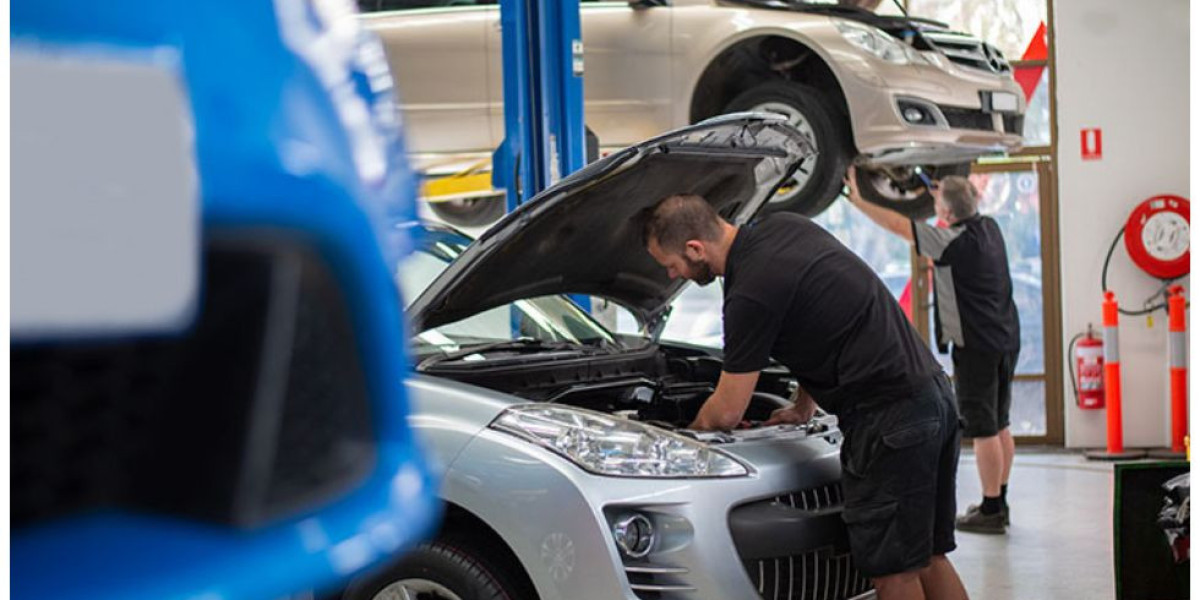

Owning a car is a significant investment, and protecting it shouldn't stop after you drive off the lot. The most effective way to safeguard your wallet from major breakdowns is throughpreventive maintenance. By being proactive, you can catch small issues before they escalate into expensive repairs. Here are the top tips to keep your car running smoothly and reliably for years to come.
1. Adhere to the Manufacturers Schedule
Your cars owners manual is its bible. It contains a tailored maintenance schedule for oil changes, fluid flushes, filter replacements, and part inspections. Following this schedule religiously is the single best thing you can do for your vehicles longevity.
2. Regular Oil Filter Changes
Engine oil is the lifeblood of your car. Clean oil reduces friction, prevents overheating, and keeps the engine clean. Neglecting changes can lead to sludge buildup, decreased efficiency, and ultimately, catastrophic engine failure a repair that can cost thousands.
3. Monitor Fluid Levels
Check and top off essential fluids including coolant, brake fluid, power steering fluid, and transmission fluid monthly. Low or degraded fluids can lead to overheating, brake failure, or transmission damage. For example, old coolant loses its anti-corrosive properties, risking damage to your radiator and engine block.
4. Tire Care: Pressure Rotation
Under-inflated tires wear out faster, reduce fuel economy, and can overheat, leading to a blowout. Check tire pressure monthly and rotate tires every 8,000-10,000 km to ensure even wear, extending their life and improving safety.
5. Listen to Your Brakes
Squealing, grinding, or a vibrating pedal are urgent warnings. Have your brake pads, rotors, and fluid inspected at the first sign of trouble. Replacing worn pads is far cheaper than repairing rotors damaged by ignored wear.
6. Battery Health
Check for corrosion on terminals and ensure connections are tight. Most car batteries last 3-5 years. If your engine cranks slowly or lights dim, have it tested. A dead battery often happens at the worst possible time.
7. Dont Ignore Warning Lights
The check engine light is not a suggestion; its a call to action. Modern cars have sophisticated diagnostics. A prompt scan can identify a minor issue (like a loose gas cap) before it becomes a major one (like a damaged catalytic converter).
Conclusion
Preventive maintenance is a small, scheduled investment that prevents massive, unexpected bills. It ensures safety, enhances performance, and preserves your cars resale value. Partnering with a trusted mechanic ensures these tasks are performed correctly. For drivers seeking meticulous, proactive care,Arnpro Automotive provides comprehensive service plans designed to keep your car on the road and out of the repair shop.
Q: How often should I really check my tire pressure?
A: Ideally, once a month and before any long trip. Check when tires are "cold" (driven less than 2 km) for an accurate reading. Proper inflation is a simple step that improves safety, fuel economy, and tire life.
Q: Is it okay to use any engine oil as long as its the right weight?
A: Not exactly. Always use the oil type and specification (e.g., synthetic, dexos) recommended in your owners manual. Using the correct oil ensures optimal engine protection and performance.
Q: Whats included in a typical preventive maintenance check at a professional shop?
A: A thorough inspection, like those offered atArnpro Automotive, includes checking all vital fluids, belts, hoses, tire pressure and tread, brakes, lights, battery, and a visual inspection for leaks or wear. Its a comprehensive health check for your car.
Q: Can I perform preventive maintenance myself?
A: Yes, for some basic tasks like checking fluid levels and tire pressure. However, for technical services like brake inspections, coolant flushes, or diagnostics, a professional technician has the tools and expertise to do the job safely and completely.
Q: Why is professional servicing important if my car seems fine?
A: A trained technician can identify potential issues you might not see or hear. Preventive maintenance is about addressing wearbeforeit causes a failure. Regular professional care at a specialist likeArnpro Automotiveprovides peace of mind and documented history, protecting your investment.