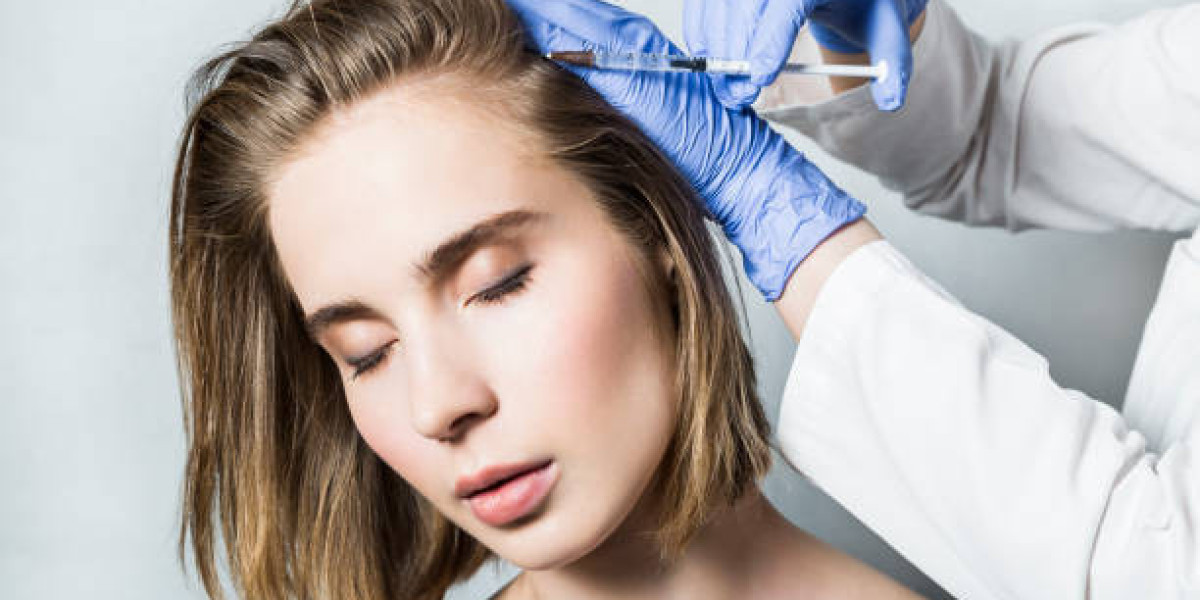

Watching your hair thin in the mirror every morning creates a unique sense of anxiety that topical shampoos rarely soothe. In a city like Dubai, where the harsh environment and high-salt water can exacerbate scalp stress, finding a biological solution is a priority for many. PRP hair treatment in Dubai, (Platelet-Rich Plasma) therapy has emerged as a frontrunner for those seeking a non-surgical route. This guide moves beyond the marketing fluff to explain the clinical reality of the procedure, what the injections actually feel like, and the honest science behind "liquid gold" hair restoration.
Understanding the Biological Mechanism of PRP
While many clinics describe PRP as a "miracle," the science is actually quite grounded in regenerative medicine. The process involves isolating your own blood platelets, which are essentially small "sacks" filled with growth factors.
When these platelets are concentrated and reintroduced into the scalp, they release proteins like Platelet-Derived Growth Factor (PDGF) and Vascular Endothelial Growth Factor (VEGF). These don't just "wake up" dormant follicles; they actively improve the blood supply to the hair root, extending the growth phase of your natural hair cycle.
Who is the Ideal Candidate for PRP?
PRP is most effective for individuals experiencing early-stage thinning or androgenetic alopecia (pattern baldness). It is important to note that PRP cannot "revive" a follicle that has been completely dormant for years; there must be a living bulb to stimulate.
Who Should Avoid This Treatment?
Patients with chronic liver disease, heavy smoking habits, or platelet dysfunction syndromes (like thrombocytopenia) typically see poor results. If you are on blood thinners, a clinical consultation is mandatory to assess safety.
What Does the PRP Procedure Feel Like?
Many patients hesitate because of the word "injection." Understanding the step-by-step sensory experience helps manage pre-treatment nerves.
The Blood Draw and Centrifuge Process
The session begins with a standard blood draw, usually from the arm. This feels no different than a routine lab test. While you wait, the blood is placed in a centrifuge. You will hear a low humming sound for about 10–15 minutes as the machine spins at high speeds to separate the plasma from the red blood cells.
The Injection Phase: Managing Discomfort
What does the PRP injection actually feel like?
Most patients describe the sensation as a series of sharp "pin-pricks" or a "tight, pressure-filled" feeling under the skin. On a pain scale of 1–10, most rate it between a 3 and 5. The scalp is naturally sensitive, but the needles used are extremely fine, making the discomfort tolerable without general anesthesia.
Honest Recovery Timelines: What to Expect Post-Procedure
One of the biggest "information gaps" in hair restoration is the immediate 48-hour window. You won't leave the clinic looking like you’ve had surgery, but there are specific sensations to be aware of.
The First 6 Hours: Your scalp may feel "full" or slightly tight, as if you are wearing a hat that is a size too small. This is due to the volume of plasma injected.
The First Night: Some mild soreness is common. We recommend sleeping with your head slightly elevated to reduce any minor swelling.
Day 2 to 4: You can return to work immediately, but you should avoid heavy exercise or high-heat environments (like saunas) which can increase blood flow to the scalp and cause throbbing.
PRP vs. Alternative Non-Surgical Treatments
To help you decide if PRP is the right investment, it is helpful to see how it compares to other common options available in Dubai.
Managing Expectations: When Will You See Results?
Biological changes take time. You are not growing "new" hair overnight; you are repairing the environment where hair grows.
Based on post-procedure follow-ups...
We observe that the first sign of success is often a significant reduction in hair shedding within the first two months. By the fourth month, patients typically report an increase in "hair caliber"—the individual strands feel thicker and more resilient to styling. Peak results are usually visible after a series of 3 to 4 sessions.
Realistic Patient Experiences
"I was terrified of the needles, but the cooling device used on my scalp made it feel more like a dull tapping than a sharp poke. The weirdest part was the 'tight' feeling afterward, but that was gone by the next morning." — Ahmed
"I didn't see much after the first session, and I almost gave up. By the third session, my barber actually asked what I was doing differently because the patch on my crown was filling in." — Sara
Why Choose Tajmeels Clinic for Your Hair Restoration?
Success in PRP depends entirely on the concentration of the platelets. At Tajmeels Clinic, we prioritize medical-grade centrifuge technology to ensure the plasma injected is rich in active growth factors. Our practitioners focus on a personalized injection map, targeting the specific areas of thinning where you need density the most. We believe in honest consultations—if we don't believe you are a candidate for PRP, we will tell you upfront and explore other clinical avenues together.
FAQs
Is PRP hair treatment safe for everyone?
PRP is exceptionally safe because it uses your own blood, eliminating the risk of allergic reactions. However, it is not recommended for those with active scalp infections, certain skin cancers, or systemic blood disorders. A full medical history is always reviewed before we begin.
How many PRP sessions are needed for hair growth?
For most patients, we recommend a "loading phase" of 3 to 4 sessions, spaced roughly one month apart. After this initial cycle, maintenance treatments every 6 to 12 months are usually sufficient to keep the follicles in the active growth phase.
Will I need to take time off work after PRP?
No, there is zero downtime. You can drive yourself home and return to your professional routine immediately. We simply advise against washing your hair for the first 12–24 hours to allow the scalp to settle and to avoid irritating the injection sites.
Can PRP replace a hair transplant?
PRP is a preventative and restorative treatment, not a replacement for a transplant in cases of total baldness. It is often used alongside transplants to speed up healing and strengthen both the transplanted and existing hair follicles for a denser overall look.
What should I avoid before my PRP session?
To get the best "liquid gold" concentration, we suggest avoiding anti-inflammatory medications (like Ibuprofen) for a week prior, as these can suppress platelet activity. Staying hydrated and eating a light meal before your appointment is also highly recommended.