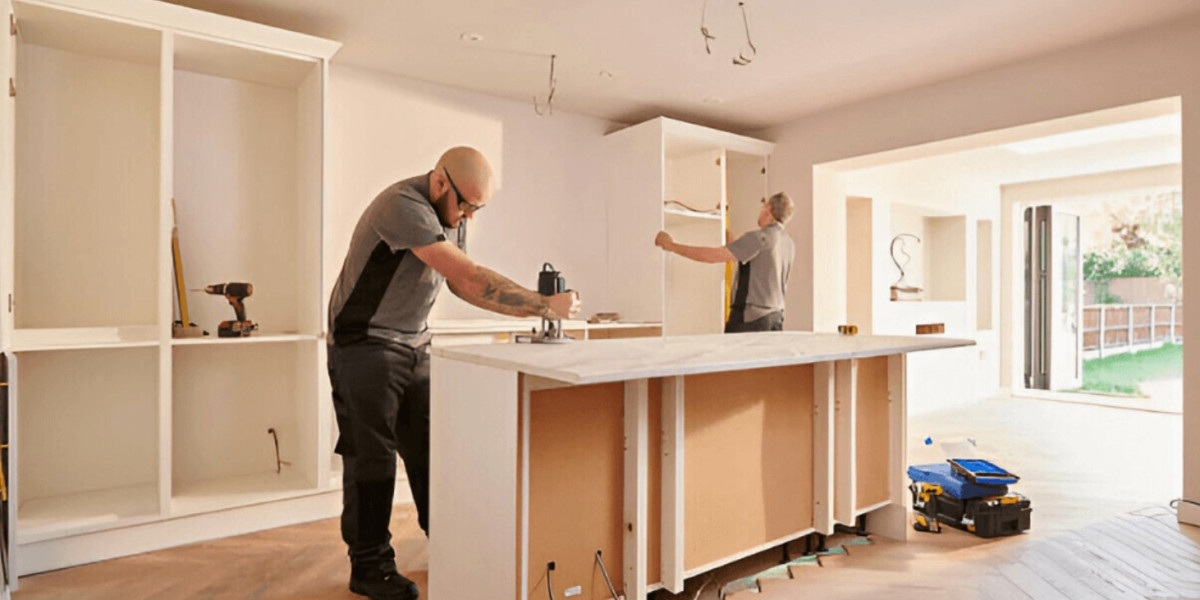

Deciding whether to fix up your existing storage or invest in a full cabinet installation in Austin is a significant milestone in any home improvement journey. The kitchen is the heart of the home, and the cabinetry acts as both the skeleton and the skin of that space. When the doors start to sag or the finish begins to peel, the immediate instinct might be to tear everything out and start fresh. However, the choice between repairing and replacing is rarely black and white. It requires a careful assessment of the structural integrity of your current units, your long-term aesthetic goals, and, of course, the budget you have allocated for the project. By understanding the specific "red lines" of cabinet damage, you can make a choice that balances cost-effectiveness with high-end results.
Assessing the Structural Integrity of Cabinet Boxes
The first step in the "repair vs. replace" debate is looking past the surface. While a scratched door is an easy fix, a compromised cabinet box is a much deeper issue. Cabinet boxes are the foundation of your kitchen's storage system. If the boxes are made of high-quality plywood and remain sturdy, level, and free of water damage, they are excellent candidates for a facelift. Refacing or refinishing can breathe new life into these structures without the labor-intensive process of a full demolition.
On the other hand, if the boxes are made of thin particle board that has begun to crumble or warp, repairs are often just a temporary bandage. Structural failure usually manifests as sagging shelves, backs pulling away from the wall, or boxes that are no longer "square," making it impossible for doors to hang straight. In these instances, the most logical path forward is a complete overhaul to ensure your kitchen remains safe and functional for the next decade.
The Cost Factor: Budgeting for Longevity
Budget is often the primary driver for kitchen decisions, but it’s important to look at the "cost per year" rather than just the initial price tag. Professional refinishing or refacing typically costs about 30% to 50% less than a full replacement. If your current layout works perfectly and the wood is in great shape, this is a financially savvy move that yields a high visual impact.
However, replacement offers a different kind of value: customization. When you opt for a new setup, you aren't just getting new doors; you are getting the opportunity to fix layout flaws that have bothered you for years. If you find yourself constantly reaching into deep, dark corner cabinets or lacking enough drawer space for modern appliances, the extra investment in new units pays off in daily convenience and increased home equity.
Signs Your Cabinets Only Need a Repair
Not every kitchen woe requires a sledgehammer. Many common issues are strictly cosmetic or mechanical. If your cabinets fall into these categories, a professional repair or "refresh" is likely the best route:
Worn Finishes: If the wood is solid but the paint is chipping or the stain is fading, a professional refinish can make them look brand new.
Faulty Hardware: Squeaky hinges, broken drawer slides, or loose handles are simple mechanical fixes. Upgrading to soft-close hinges can even give old cabinets a modern, luxury feel.
Minor Surface Damage: Small dings or scratches can be filled and touched up by a skilled technician without needing to replace the entire door.
Outdated Style: If you like the cabinets but hate the look, replacing just the doors and drawer fronts (refacing) provides a total transformation at a fraction of the cost.
When Replacement is the Only Viable Option
There are certain scenarios where continuing to repair old cabinets is simply "throwing good money after bad." If you encounter any of the following, it is time to look into professional design and installation services:
Severe Water Damage and Mold
Water is the natural enemy of cabinetry. If a leaky sink or a pipe burst has caused the wood to swell, delaminate, or grow mold, the integrity of the material is gone. Mold, in particular, poses a health risk that cannot always be scrubbed away if it has permeated the porous wood fibers. In these cases, removing the affected units is the only way to ensure a clean, healthy kitchen environment.
Poor Functional Layout
Sometimes the cabinets are physically fine, but the kitchen "flow" is a nightmare. Older kitchens were often designed before the era of oversized refrigerators and specialized small appliances. If you find your counter space is cramped or you are constantly walking across the room to move from the stove to the trash can, a new cabinet installation in Austin allows you to reconfigure the footprint for better ergonomics. Cabinet Central Austin specializes in helping homeowners maximize these footprints to create a more intuitive cooking environment.
Integrating Modern Tech and Storage Solutions
Modern cabinetry offers features that older units simply can't accommodate. From pull-out spice racks and hidden charging stations to deep "pot and pan" drawers and motorized lift systems, the technology of storage has evolved. If you want a kitchen that works for a 2026 lifestyle, replacing your old builder-grade units with custom or semi-custom solutions is the way to go.
Sustainable Choices: The Environmental Impact
In today’s world, sustainability is a major consideration for many homeowners. Repairing and refinishing are inherently "greener" options because they keep bulky materials out of landfills and reduce the demand for new timber and manufacturing energy. If you have high-quality hardwood cabinets, preserving them is a great way to maintain a low environmental footprint.
Conversely, if you must replace them, you can still make eco-friendly choices. Many modern manufacturers use sustainably sourced wood, low-VOC (volatile organic compound) finishes, and recycled materials. When planning a replacement, look for brands that prioritize environmental stewardship, ensuring your new kitchen is as kind to the planet as it is to your eyes.
Professional Consultation: Getting an Expert Opinion
It can be difficult for a homeowner to tell the difference between a surface-level crack and a structural failure. Before making a final decision, it is always wise to have a professional evaluator look at your kitchen. They can provide a "stress test" on the boxes and give you an honest assessment of whether the wood will hold up to a new coat of paint or if the weight of new stone countertops might cause old boxes to collapse.
What You Should Know About the Process
Transitioning your kitchen requires preparation. If you choose to repair or refinish, the process usually takes 3 to 5 days, and you can often keep using parts of your kitchen during the work. Replacement is a much larger undertaking, often requiring several weeks of lead time for the cabinets to be built and delivered, followed by a week or more of intensive onsite labor. During a full replacement, your kitchen will be a "dry zone," meaning you should plan for temporary meal solutions like outdoor grilling or a makeshift dining station in another room.
Final Thoughts: Aesthetics vs. Utility
Ultimately, the decision comes down to a balance of aesthetics and utility. If you love your kitchen's current layout and the "bones" are strong, there is no reason to undergo the stress of a full tear-out. A high-quality refinishing job can provide a stunning visual upgrade. However, if you are fighting against your kitchen every time you cook—struggling with cramped corners, water-damaged wood, or a layout that feels decades out of date—replacement is an investment in your quality of life.
Whether you choose a meticulous restoration or a brand-new layout, the goal is the same: a kitchen that feels welcoming, organized, and built to last. Take the time to inspect your current cabinets closely, consult with specialists, and choose the path that brings the most long-term value to your home.