
Keeping your pool water clean isn’t just about appearance—it’s about maintaining a balanced environment that feels comfortable and supports overall wellness. One of the most important factors in pool care is pH balance. When your water’s pH is off, it can affect everything from clarity to how enjoyable the pool feels during use. That’s where a pool ph test kit becomes an essential tool.
This article explores how monitoring pH levels helps maintain water balance, why it matters for everyday pool use, and how simple testing routines can make a big difference. Whether you’re new to pool care or looking to refine your maintenance habits, understanding pH testing is a key step toward a better swimming experience.
Understanding Pool pH and Why It Matters
pH is a measure of how acidic or alkaline your pool water is, typically on a scale from 0 to 14. A balanced pool usually falls between 7.2 and 7.6. While those numbers may seem technical, think of pH like seasoning in food—too much or too little can throw everything off.
When pH levels drift outside the ideal range, several issues can arise. Water may look dull or cloudy, surfaces can feel rough, and maintaining overall cleanliness becomes more challenging. Balanced pH helps create an environment where water looks clear, feels comfortable, and stays easier to manage over time.
A well-maintained pH level also supports the effectiveness of other pool care practices. When water is balanced, cleaning agents and sanitizing methods tend to work more efficiently, reducing the effort needed for ongoing maintenance. This contributes to a smoother, more enjoyable pool ownership experience.
From a lifestyle perspective, balanced pool water enhances relaxation. Whether you're unwinding after a long day or spending time outdoors with family, properly maintained water adds to the sense of comfort and ease. It removes distractions like murky water or unpleasant textures, allowing you to focus on enjoying the moment.
In simple terms, pH balance is the foundation of a healthy pool environment. Without it, even the best cleaning routines can fall short. Understanding this concept is the first step toward consistent and reliable pool care.
How a Pool pH Test Kit Works in Everyday Pool Care
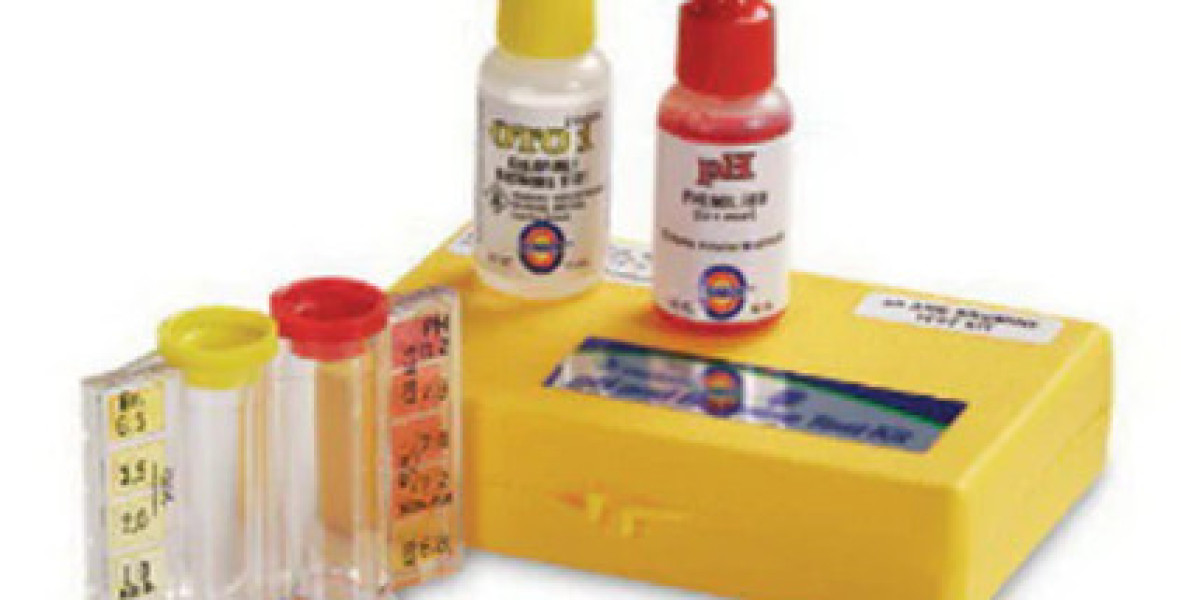
A pool pH testing routine doesn’t have to be complicated. In fact, it’s one of the easiest habits you can build into your regular pool maintenance schedule. A testing kit typically includes simple tools that allow you to measure your water’s pH level within minutes.
Most kits work by collecting a small sample of pool water and adding a testing solution or using indicator materials. The result changes color based on the pH level, which you then compare to a reference chart. This quick process gives you a clear snapshot of your water’s condition.
In everyday use, testing your pool regularly helps you stay ahead of changes. Weather, usage, and environmental factors like dust or debris can all influence pH levels. By checking frequently, you can make small adjustments before bigger issues develop.
Here’s how a simple testing routine fits into daily or weekly pool care:
Quick checks: Test water at consistent intervals to monitor changes
Early adjustments: Small corrections are easier than fixing large imbalances
Better planning: Knowing your pH level helps guide maintenance decisions
Consistency: Regular testing leads to more predictable water quality
Some pool owners also use pool ph test strips as a quick alternative for routine checks. These are easy to use and provide fast results, making them a convenient option for busy schedules.
Over time, testing becomes second nature. It’s a small step that delivers significant benefits, helping you maintain a clean, balanced pool without guesswork. Instead of reacting to problems, you’re actively preventing them through simple observation and timely action.
The Benefits of Maintaining Balanced Pool Water
Balanced pool water does more than just look good—it improves the entire swimming experience. When pH levels are within the ideal range, the water feels smoother and more inviting, making it easier to relax and enjoy your time in the pool.
One of the most noticeable benefits is clarity. Properly balanced water reflects light better, giving your pool that clean, sparkling appearance. This visual clarity not only enhances aesthetics but also makes it easier to monitor the pool’s condition.
Balanced pH also supports the longevity of your pool setup. When water is properly maintained, it helps reduce unnecessary wear on surfaces and equipment. This means fewer disruptions and a more consistent experience over time.
From a lifestyle perspective, maintaining balanced water contributes to peace of mind. You don’t have to worry about unexpected changes in water quality or spend extra time correcting issues. Instead, you can focus on enjoying your pool as part of your daily routine.
Key advantages of balanced pool water include:
Improved water clarity and appearance
More comfortable swimming experience
Simplified maintenance routines
Better support for overall pool care practices
Consistent and reliable water quality
Balanced water also aligns with a wellness-focused lifestyle. A clean, well-maintained pool becomes a space for relaxation, light activity, and outdoor enjoyment. It encourages regular use without the distractions of poor water conditions.
Ultimately, maintaining the right pH level is about creating an environment that feels as good as it looks. It transforms your pool into a dependable and enjoyable part of your everyday life.
Building a Simple Routine for Long-Term Balance
Creating a consistent pool care routine doesn’t require complicated steps. With the right approach, maintaining balanced water can become a seamless part of your weekly schedule. The key is to stay consistent and make small adjustments as needed.
Start by setting a regular testing schedule. Checking your pool’s pH level once or twice a week is usually enough to stay on track. During periods of heavy use or changing weather, you may want to test more frequently to account for fluctuations.
Here’s a simple routine you can follow:
Test regularly: Keep track of pH levels at set intervals
Record results: Noting changes helps you spot patterns over time
Adjust gradually: Make small corrections instead of large changes
Stay consistent: Routine maintenance prevents sudden imbalances
It’s also helpful to keep your tools organized and easily accessible. When testing is convenient, you’re more likely to stick with it. Reliable supplies, such as those available from Ever-Klear Pool Supply, can support a smoother maintenance process without adding complexity.
Another important aspect is awareness. Pay attention to how your pool looks and feels. Subtle changes in clarity or texture can signal shifts in pH levels, prompting you to test and adjust as needed.
Over time, this routine becomes second nature. Instead of viewing pool care as a chore, it becomes a simple habit that supports a more enjoyable lifestyle. A few minutes of testing each week can save hours of troubleshooting later.
Consistency is the real secret to long-term balance. By staying proactive and attentive, you ensure your pool remains a clean, comfortable space that’s always ready to use.
Conclusion
Maintaining balanced pool water doesn’t require complicated techniques or extensive effort. With regular testing and a simple routine, you can keep your pool in excellent condition throughout the season. A reliable testing method allows you to monitor changes, make timely adjustments, and enjoy consistently clear and comfortable water.
By understanding pH levels and incorporating testing into your routine, you take control of your pool’s overall environment. It’s a practical step that supports both cleanliness and relaxation, making your pool a more enjoyable part of your daily life.
In the end, a little attention goes a long way. With consistent care, your pool becomes a space that’s not only visually appealing but also easy to maintain—helping you focus on what truly matters: enjoying the experience.