
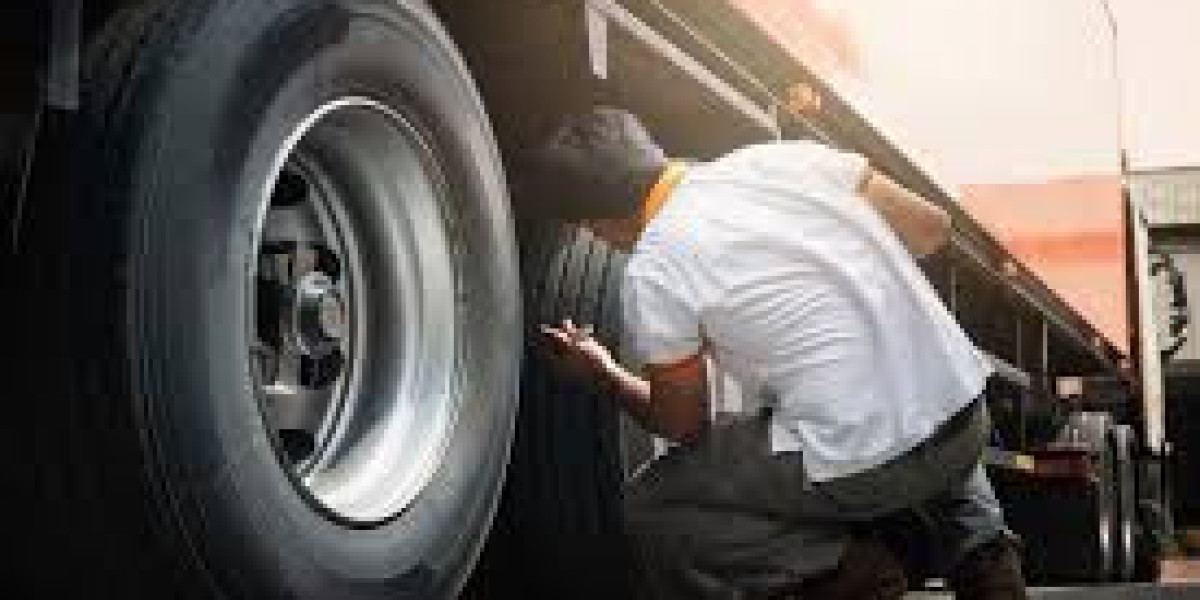

For most fleets, compliance is treated like a pass-or-fail event. Trucks either clear inspection or they don’t. But the real value is not in the inspection itself; it’s in the data it generates. When used correctly, inspection records can help reduce breakdowns, improve uptime, and control maintenance costs. That’s why a structured approach around truck DOT inspection data is becoming a practical tool for fleet owners who want fewer surprises and more control over their operations.
Instead of waiting for violations or roadside issues, smart operators are starting to read inspection reports like a performance dashboard. It shows what’s wearing out, what’s being ignored, and where small issues are turning into expensive downtime. For fleets already stretched on schedules, fuel costs, and driver availability, this shift from reactive to proactive maintenance can make a real difference.
Why DOT Inspection Data Matters for Fleet Operations
Most fleet managers already know DOT inspections are required. What many overlook is how much operational insight comes from them.
Each inspection, whether clean or failed, creates a record of vehicle condition at a specific point in time. When you track these records over weeks and months, patterns start to show up:
Repeated brake warnings across multiple trailers
Lighting issues are showing up in specific units
Tire wear problems tied to certain routes or drivers
Suspension or alignment issues on high-mileage equipment
This is not just compliance paperwork. It’s real-world feedback from your fleet.
For owner-operators and operations managers, this data becomes especially valuable because it highlights where money is being lost silently before a truck breaks down on the road.
What Compliance Reports Actually Tell You
DOT compliance reports are often seen as administrative documents, but they are closer to diagnostic reports for your fleet.
A typical inspection report highlights:
Brake system condition (air leaks, wear levels, adjustment issues)
Tire health and tread depth
Lighting and electrical system performance
Steering and suspension condition
Fluid leaks or mechanical wear indicators
Safety equipment readiness
When reviewed over time, these reports show repeat failure points. For example, if multiple units fail brake inspections within a short period, it usually signals a maintenance gap, not random breakdowns.
This is where experienced fleet operators separate themselves. Instead of reacting to each failure individually, they start grouping problems and fixing root causes.
Turning Inspection Data Into a Maintenance Strategy
Collecting reports is not enough. The real benefit comes from how you use them.
A practical approach many fleets adopt is building a simple maintenance loop:
Collect inspection data regularly
Every DOT inspection pass or fail should be logged in one place.Sort issues by category
Group problems into systems like brakes, tires, electrical, and suspension.Track repeat offenders
Units that show repeated issues need priority attention.Link findings to maintenance schedules
Instead of waiting for breakdowns, schedule repairs based on patterns in inspection data.Review monthly trends
Look for system-wide issues instead of isolated incidents.
This approach reduces guesswork. Instead of asking “what broke today?”, you start asking “what keeps breaking and why?”
Using truck DOT inspection Reports to Reduce Downtime
One of the biggest advantages of reviewing inspection data is reducing unexpected downtime.
Most fleet disruptions don’t come from major accidents. They come from small, preventable issues, brake adjustments, wiring faults, and tire failures that were already visible in previous inspections.
By reviewing truck DOT inspection reports consistently, fleets can:
Schedule repairs before violations occur
Avoid roadside breakdowns
Reduce repeat inspection failures
Improve vehicle availability for dispatch
Extend asset lifespan through targeted maintenance
In real terms, it means fewer last-minute repair calls and fewer trucks sitting idle during peak delivery windows.
For operations managers juggling tight schedules, this kind of predictability is more valuable than any new software or system.
Common Mistakes Fleets Make With Inspection Data
Even fleets that collect inspection reports regularly often fail to use them effectively. A few common mistakes include:
1. Treating reports as paperwork only
Once the inspection is done, reports are filed away and never reviewed again.
2. Ignoring repeat issues
If the same problem shows up across multiple inspections, it’s often seen as a coincidence instead of a pattern.
3. Not connecting data to maintenance teams
Inspection findings stay in compliance folders instead of reaching technicians.
4. Delayed response to minor issues
Small problems like loose wiring or uneven tire wear are ignored until they cause downtime.
5. Lack of centralized tracking
Data is spread across emails, paper files, and different systems, making it hard to see trends.
Fixing these gaps doesn’t require heavy investment. It just requires discipline in how inspection data is recorded and reviewed.
Building a More Predictable Fleet Operation
The goal of using DOT inspection data is not to eliminate all breakdowns; that’s unrealistic in heavy-duty operations. The goal is to reduce uncertainty.
When fleets start using inspection reports properly, a few changes become noticeable:
Fewer emergency repairs
More planned maintenance instead of reactive fixes
Better vehicle availability for dispatch planning
Lower long-term repair costs
Improved compliance performance during audits
For owner-operators, this also means less stress managing unexpected breakdowns on tight delivery schedules. For larger fleets, it means better control over operational costs across multiple units.
Final Takeaway
Most fleets already have the data they need; they just don’t use it effectively. DOT inspection reports are not just compliance records; they are early warning systems for fleet health.
When used correctly, they help identify problems before they turn into downtime, reduce unnecessary repair costs, and improve overall operational stability. Over time, this approach creates a more predictable and efficient fleet.
At the end of the day, staying ahead in this business is not about reacting faster; it’s about seeing problems earlier. That’s where truck DOT inspection data becomes a practical advantage for fleets that want to stay profitable, reliable, and consistently on the road, and why truck DOT inspection should be treated as a core part of fleet management, not just a compliance requirement.






