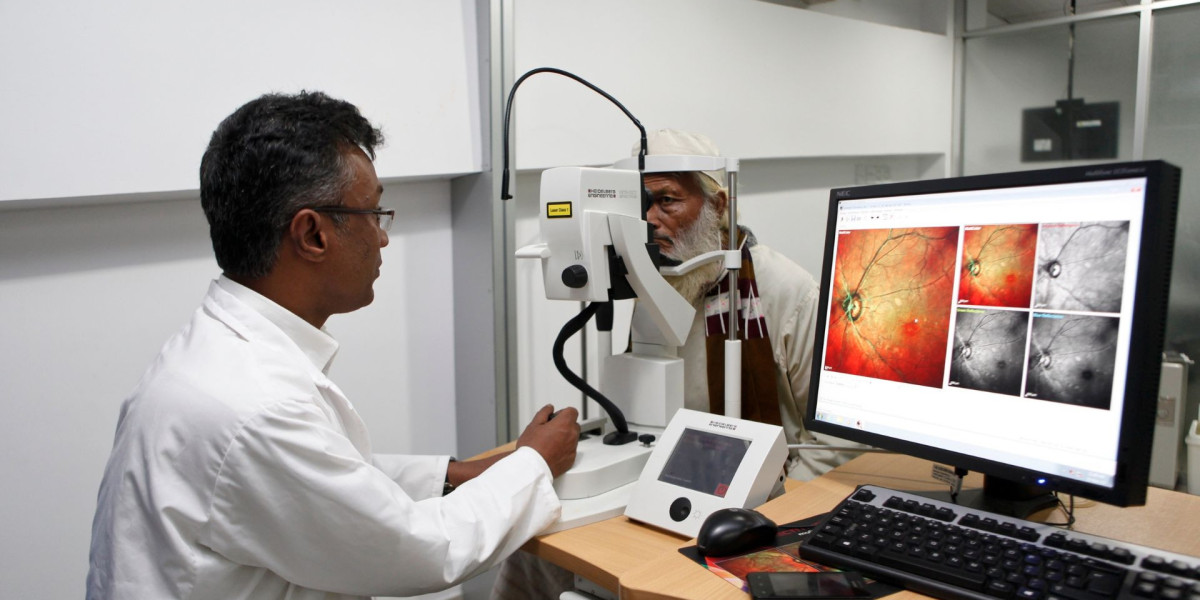

Facial pain can start as a mild discomfort, an occasional sharp sensation, or a burning feeling that seems easy to ignore. Many people assume it is caused by stress, dental issues, sinus pressure, or even lack of sleep. While some cases are minor, persistent or unexplained facial pain can sometimes point to nerve related conditions that require medical attention.
This is why early diagnosis matters so much.
When facial pain is identified in its early stages, doctors often have more treatment options, patients can avoid unnecessary procedures, and the chances of finding the true cause improve significantly. Whether the pain is linked to nerve irritation, muscle dysfunction, jaw disorders, or neurological conditions, early intervention can make a major difference in treatment outcomes.
Understanding Facial Pain
Facial pain is not a condition by itself. It is a symptom that can be caused by several underlying issues. Some common causes include dental infections, temporomandibular joint disorders, sinus infections, nerve compression, migraines, and neurological conditions such as trigeminal neuralgia.
Because many of these conditions share similar symptoms, patients are sometimes misdiagnosed or treated for the wrong issue first. A person may visit a dentist, try pain medications, or change daily habits without getting real relief.
That delay can allow the underlying problem to progress.
Why Timing Matters in Diagnosis
When a patient seeks medical evaluation early, healthcare providers can begin a detailed assessment before the pain pattern becomes more severe or complicated.
Early diagnosis offers several important benefits.
1. Faster Identification of the Root Cause
Facial pain can come from nerves, muscles, joints, blood vessels, or surrounding tissues. The earlier imaging studies, neurological exams, or clinical evaluations are performed, the easier it may be to identify the source of pain.
For example, trigeminal neuralgia is often diagnosed based on symptom patterns, neurological evaluation, and imaging such as MRI. Early evaluation helps rule out structural causes such as nerve compression or other neurological conditions.
2. Better Response to Conservative Treatment
Many facial pain conditions respond better when treated early with medication, physical therapy, nerve blocks, lifestyle changes, or targeted pain management.
If treatment begins before nerve irritation becomes chronic, patients may experience better symptom control and improved daily function. In some cases, early medication management may reduce pain episodes and delay the need for advanced procedures.
3. Preventing Chronic Pain Patterns
Pain that continues untreated for months or years can sometimes affect how the nervous system processes pain signals. This may lead to more frequent attacks, increased sensitivity, or pain that becomes harder to control.
Early treatment may help reduce this progression and support healthier nerve function over time.
4. Avoiding Unnecessary Procedures
Because facial pain can mimic dental pain, some patients undergo dental treatments that do not solve the real problem.
A proper diagnosis early in the process helps patients avoid unnecessary extractions, repeated medications, or ineffective treatments, while directing them toward specialists who understand facial pain conditions.
Signs You Should Not Ignore
It may be time to seek medical evaluation if facial pain includes:
• Sharp or electric shock like pain
• Pain triggered by talking, chewing, or touching the face
• Pain on one side of the face
• Episodes that come and go without a clear cause
• Facial numbness, tingling, or muscle weakness
• Pain that does not improve with dental care
These symptoms can provide important clues for diagnosis.
The Long Term Impact of Early Treatment
Patients who receive an early diagnosis often report improved pain control, better daily function, and less emotional stress related to unpredictable pain episodes.
Facial pain can affect eating, speaking, sleeping, and social interactions. Addressing it early does not just reduce pain. It can protect overall quality of life.
Conclusion
Facial pain should never be ignored, especially when it becomes frequent, intense, or difficult to explain. Early diagnosis allows doctors to identify the true cause, begin the right treatment sooner, and improve the chances of long term relief.
If you or someone you know is dealing with unexplained facial pain, seeking expert evaluation early could make all the difference.
Frequently Asked Questions
1. Why is early diagnosis important for facial pain?
Early diagnosis helps identify the root cause faster, allowing doctors to start targeted treatment before symptoms become chronic or more difficult to manage.
2. What conditions can cause facial pain?
Facial pain may be caused by dental issues, jaw disorders, nerve conditions, sinus infections, migraines, or neurological disorders.
3. Can facial pain go away on its own?
Some minor cases may improve, but persistent or severe facial pain should always be evaluated by a healthcare professional.
4. How is facial nerve pain diagnosed?
Doctors may use medical history, neurological exams, physical examination, and imaging studies such as MRI to identify the source of nerve related facial pain.
5. When should I see a specialist for facial pain?
You should seek evaluation if the pain is severe, recurring, triggered by normal activities, or affecting your ability to eat, speak, or sleep.